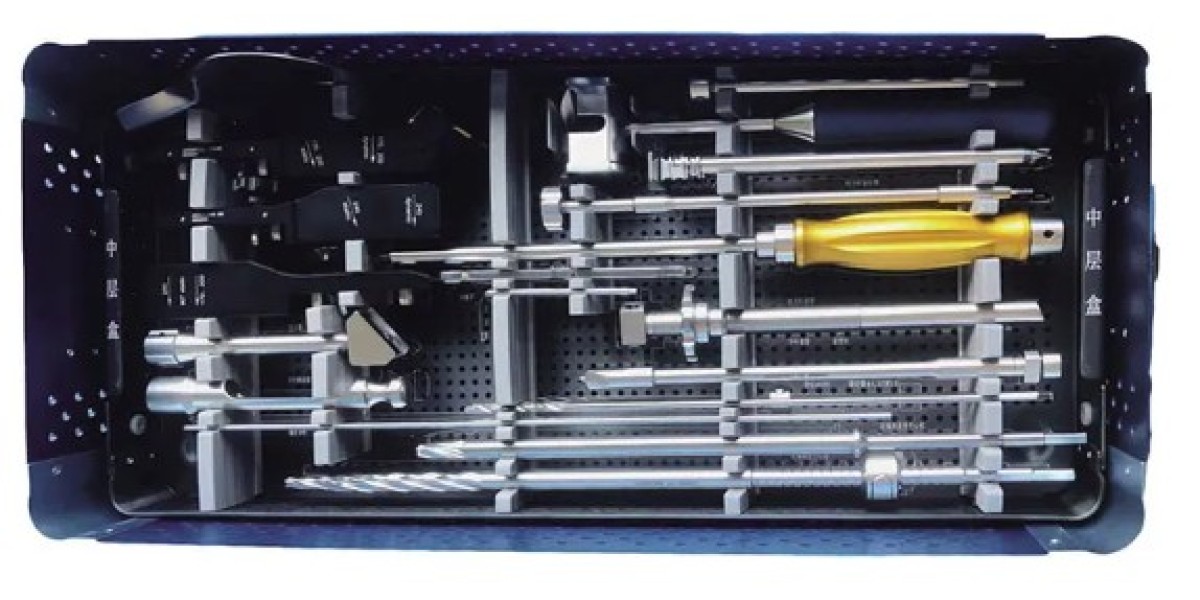

In the realm of orthopedic surgery, the choice of fixation devices can significantly impact patient outcomes. Among the various options available, PFNA nails have emerged as a preferred choice for many orthopedic surgeons. This article delves into the reasons behind the growing popularity of PFNA nails in orthopedic procedures, highlighting their unique advantages and clinical efficacy.
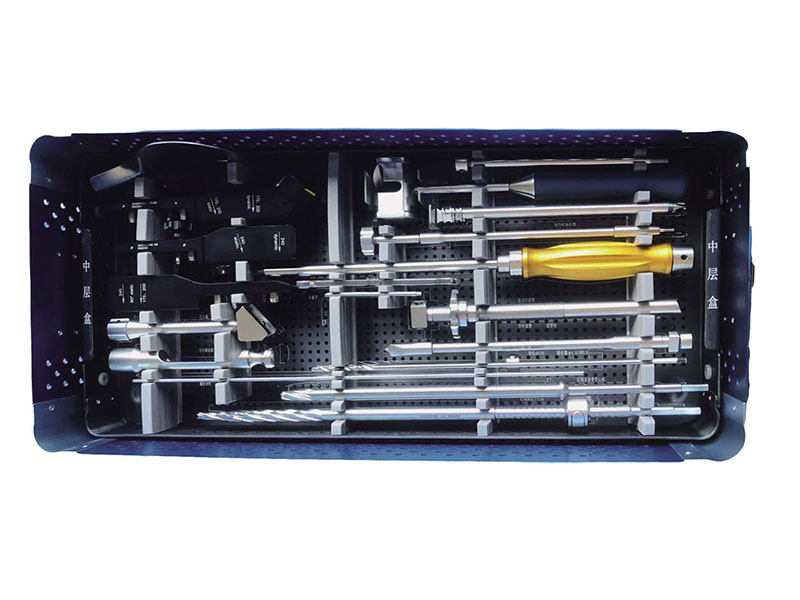
Enhanced Stability and Support
PFNA nails, or Proximal Femoral Nail Antirotation, are designed specifically for the fixation of proximal femoral fractures. One of the primary advantages of PFNA nails is their ability to provide enhanced stability and support during the healing process. The design of the PFNA nail allows for optimal load transfer between the nail and the bone, reducing the risk of implant failure. This stability is crucial for patients, as it promotes faster recovery and a return to normal activities.
Another compelling reason for the preference of PFNA nails is the minimally invasive surgical technique associated with their use. The insertion of PFNA nails typically requires smaller incisions compared to traditional fixation methods. This minimally invasive approach not only reduces the trauma to surrounding tissues but also minimizes postoperative pain and scarring. Patients often experience shorter hospital stays and quicker rehabilitation, making PFNA nails an attractive option for both surgeons and patients alike.
PFNA nails are also recognized for their versatility in treating various types of fractures. Whether dealing with unstable intertrochanteric fractures or subtrochanteric fractures, PFNA nails can be effectively utilized. The adaptability of PFNA nails to different fracture patterns allows orthopedic surgeons to tailor their approach based on individual patient needs, further solidifying their status as a preferred choice in orthopedic surgery.
Clinical Evidence and Success Rates
Numerous clinical studies have demonstrated the effectiveness of PFNA nails in achieving successful outcomes for patients with hip fractures. Research indicates that patients treated with PFNA nails experience lower rates of complications and improved functional recovery compared to those treated with alternative fixation devices. The robust clinical evidence supporting the use of PFNA nails reinforces their reputation as a reliable and effective solution for orthopedic challenges.
In conclusion, PFNA nails have become a preferred choice in orthopedics due to their enhanced stability, minimally invasive application, versatile use, and strong clinical evidence supporting their effectiveness. As orthopedic surgeons continue to seek the best solutions for their patients, PFNA nails stand out as a leading option that addresses both clinical needs and patient comfort. Their continued adoption in orthopedic practice underscores their value in improving patient outcomes and advancing surgical techniques.