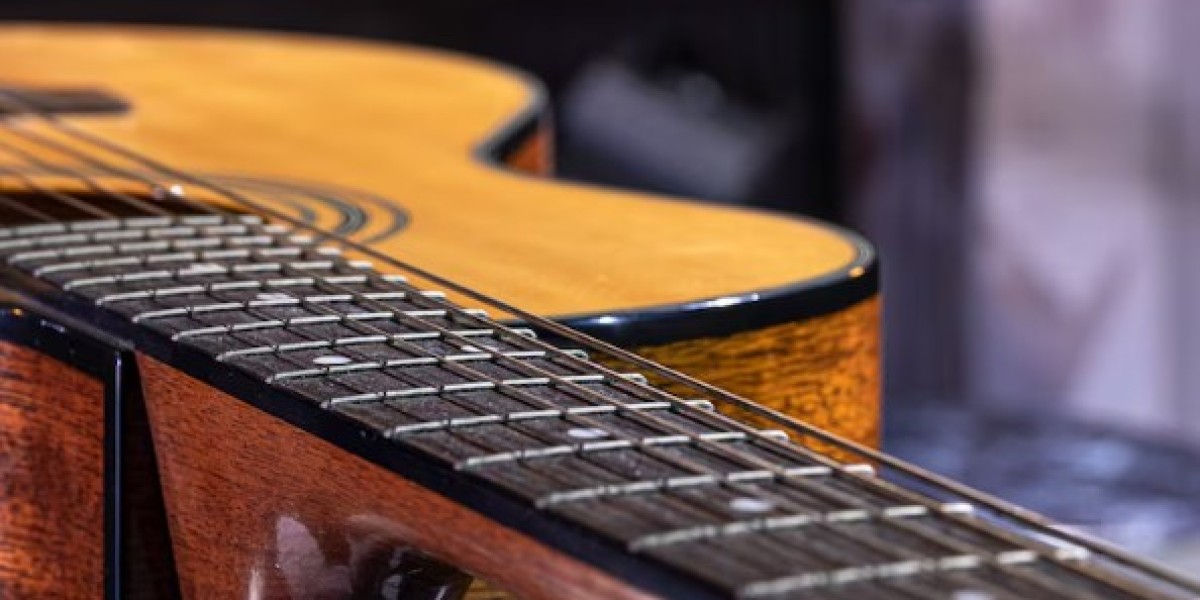

In the world of stringed instruments, few evoke the sense of awe and curiosity quite like the 12-string acoustic auditorium harp guitar. This instrument, blending the characteristics of a traditional acoustic guitar with the ethereal resonance of a harp, offers a unique auditory experience that is both rich and intricate. For musicians seeking depth, versatility, and a distinctive voice, the 12-string acoustic auditorium harp guitar represents a compelling choice.
Understanding the 12-String Acoustic Guitar Foundation
To appreciate the harp guitar variant, it’s essential to understand the foundational element: the 12-string acoustic guitar. Unlike the standard 6-string guitar, the 12-string pairs each of the six strings with an additional string, creating six courses of two strings each. Typically, the lower four courses are tuned in octaves while the top two are tuned in unison. This configuration produces a fuller, more shimmering sound, rich in harmonics, that cannot be replicated by a standard guitar.
The 12-string guitar is renowned for its capacity to fill space in both solo and ensemble settings. Its naturally chorus-like tone provides a sense of grandeur and complexity, often used in folk, rock, and contemporary acoustic music. However, while beautiful, even the most expertly played 12-string guitar has limits in sonic range. This is where the addition of the harp component elevates the instrument to an entirely new level.
What Makes the Harp Guitar Unique
The harp guitar is not a single, standardized instrument but rather a family of guitars augmented with extra unstopped strings. These strings, often called “sub-bass” or “sympathetic” strings, are not fretted and are designed to resonate freely, adding depth and richness to the harmonic spectrum. On a 12-string acoustic auditorium harp guitar, these additional strings expand the tonal possibilities beyond what even a 12-string guitar alone can offer.
The typical setup might include anywhere from 6 to 12 harp strings in addition to the primary 12 strings. This allows the performer to produce cascading bass notes and shimmering overtones simultaneously. The acoustic auditorium body, characterized by a larger soundboard and deeper body depth, ensures that every vibration, both from the main strings and the harp strings, projects clearly across a room. The combination of a 12-string setup with a harp extension results in an instrument that is not only sonically versatile but visually striking—a centerpiece for any stage.
Playing Techniques and Styles
Mastering the 12-string acoustic auditorium harp guitar requires both skill and patience. Players often use a combination of fingerpicking techniques to take full advantage of the instrument’s extended range. Unlike standard guitar performance, where chords and melodies are primarily played on fretted strings, harp guitarists often incorporate the sub-bass strings to create layered textures.
For example, a musician might use the fretted 12-string courses to carry the melody while plucking the harp strings for resonant bass or drone effects. This technique allows for complex compositions in which rhythm, melody, and harmony coexist seamlessly. The extended range also makes it ideal for classical, jazz, and folk compositions that demand intricate harmonic interplay.
Percussive techniques are also popular on harp guitars. Musicians tap the body of the guitar or use slap harmonics to accentuate rhythms, giving the instrument a dynamic presence in both solo and ensemble settings. The combination of 12-string resonance and harp string depth creates an enveloping soundscape that can transform a simple performance into a cinematic auditory experience.
Construction and Materials
The quality of a 12-string acoustic auditorium harp guitar depends heavily on craftsmanship and materials. High-end models typically use tonewoods like Sitka spruce, cedar, or mahogany for the soundboard, each contributing distinct tonal qualities. Spruce offers bright, articulate tones, ideal for complex fingerpicking, while cedar provides warmth and a softer attack, perfect for lyrical passages. The back and sides are often crafted from rosewood or maple, adding sustain and projection.
The harp extensions are usually made from lighter, resonant materials to maximize sympathetic vibration. The neck construction must be exceptionally strong to handle the tension of 12 primary strings plus multiple harp strings. Luthiers often reinforce the neck with carbon fiber rods or specialty bracing to ensure stability without compromising playability. Bridge and saddle design are also critical, as they influence string tension, resonance, and intonation, all of which are more complex on a harp guitar than on a standard acoustic guitar.
Acoustic Auditorium Design
The term “auditorium” in the harp guitar’s description refers to its body shape, often similar to the Grand Auditorium style pioneered by renowned guitar makers. This body type strikes a balance between the deep, resonant bass of a dreadnought and the articulate treble of a smaller concert guitar. The larger soundboard enhances volume, making it suitable for performance in halls and auditoriums without amplification. It also ensures that the extended range of the harp strings is fully projected, preserving clarity even in intricate compositions.
The auditorium body’s curvature and internal bracing patterns are meticulously engineered to handle the increased string tension while maintaining responsiveness. This design allows musicians to perform nuanced dynamics, from soft fingerpicking passages to powerful strums, without sacrificing tonal quality.
Musical Applications
The versatility of the 12-string acoustic auditorium harp guitar opens doors to numerous musical applications. In solo performance, it allows one musician to create the effect of a full ensemble, layering bass lines, chords, and melody simultaneously. Folk musicians often employ it to reinterpret traditional ballads, while contemporary composers use it to explore ambient textures or cinematic soundscapes.
In recording, the instrument is equally valuable. Its rich harmonic content and extended range provide depth to acoustic tracks that are difficult to achieve with conventional guitars. Many musicians incorporate it into experimental music, leveraging its unique voice to create ethereal, resonant atmospheres that captivate listeners.
Choosing the Right Instrument
For aspiring harp guitarists, selecting a quality 12-string acoustic auditorium harp guitar involves careful consideration. Factors include the number of harp strings, body size, tonal preference, and playability. Beginners may start with models offering fewer harp strings and simpler designs, while advanced performers often seek instruments with fully optimized bracing and premium tonewoods.
String maintenance is another consideration. With more strings comes increased tension, requiring regular tuning and careful handling. Many harp guitarists also explore specialized tunings to fully exploit the instrument’s harmonic potential. Understanding these nuances is essential to maximize the instrument’s musical capabilities.
Conclusion
The 12-string acoustic auditorium harp guitar is a remarkable fusion of tradition and innovation. Its 12-string foundation provides rich, full-bodied resonance, while the harp extensions add depth, complexity, and a touch of magic. Whether used for solo performance, ensemble work, or recording, it opens creative possibilities that are difficult to achieve with conventional guitars. From its intricate construction to its versatile playing techniques, this instrument is both a technical marvel and an artistic companion for musicians seeking a unique voice.
For anyone passionate about acoustic music and exploring the boundaries of harmonic expression, the 12-string acoustic auditorium harp guitar is not just an instrument—it is an invitation to transform sound into an immersive, multidimensional experience.