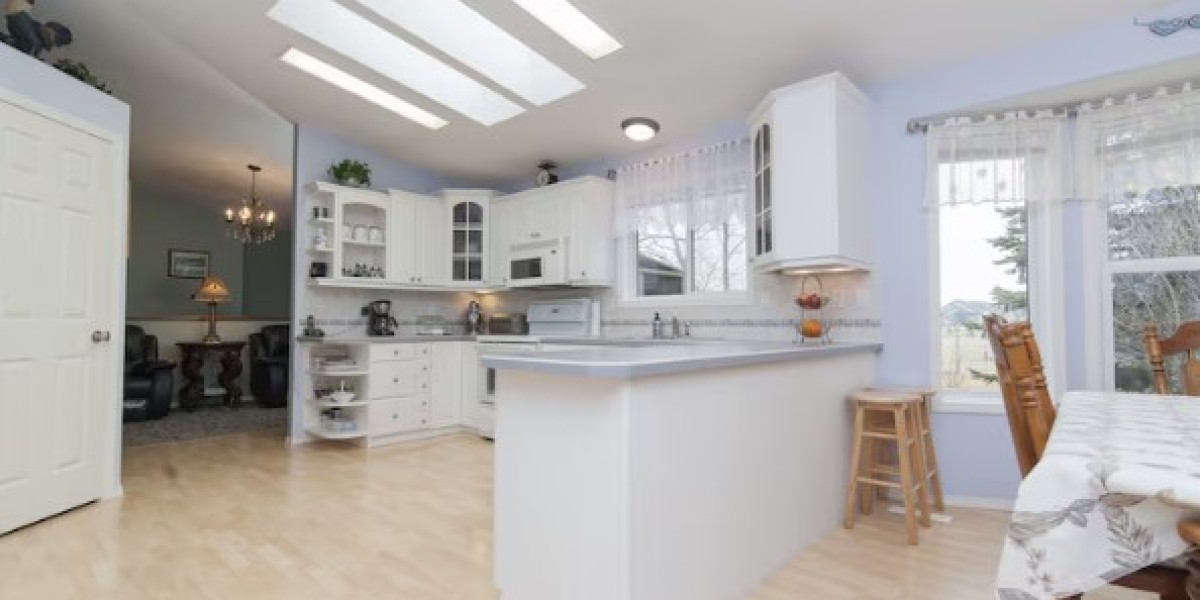

When designing or remodeling a kitchen, one of the most common questions homeowners face is: how much space between a kitchen island and the counter is ideal? The answer is crucial because the distance affects not only the flow of movement but also safety, functionality, and the overall comfort of your kitchen space. While the design of your kitchen island might be visually appealing, without adequate clearance, it can become a source of frustration rather than convenience.
Understanding the Importance of Proper Spacing
A kitchen is often considered the heart of a home, serving multiple purposes from cooking and dining to entertaining guests. The kitchen island, a central feature in many modern kitchens, adds both workspace and style. However, the efficiency of your kitchen island heavily relies on the clearance between the island and the surrounding countertops.
If the space is too narrow, it can create bottlenecks, making it difficult for multiple people to navigate around the kitchen simultaneously. On the other hand, an overly wide gap can make the island feel disconnected from the rest of the kitchen, disrupting the functional triangle – the efficient layout connecting the sink, stove, and refrigerator.
Recommended Clearance Between a Kitchen Island and the Counter
Design experts and kitchen planners generally recommend that homeowners leave at least 42 to 48 inches of space between a kitchen island and the counter. This range allows sufficient room for walking, opening cabinets, and accommodating appliances such as dishwashers or ovens.
- 42 inches (3.5 feet): This is typically the minimum recommended distance for kitchens with a single cook. It allows one person to work comfortably without bumping into another.
- 48 inches (4 feet): Ideal for kitchens where two or more people will be working simultaneously. This spacing ensures multiple people can move around freely, pull out drawers, and use appliances without obstruction.
It’s important to note that these measurements are flexible based on the size of your kitchen. In smaller kitchens, you might have to compromise slightly, but you should avoid reducing the space below 36 inches, as this can significantly limit mobility.
Factors That Influence Ideal Spacing
Several factors should be considered when determining how much space between a kitchen island and the counter you need:
- Kitchen Layout
The shape of your kitchen—whether it’s U-shaped, L-shaped, or galley-style—affects how much room is available for an island. U-shaped kitchens often require more clearance to ensure all areas remain accessible, while galley kitchens may have stricter limits due to narrow spaces. - Appliance Placement
Consider how your appliances interact with the space around the island. Dishwashers, ovens, and refrigerator doors need enough room to open fully. Ensure the chosen clearance allows these appliances to function without blocking pathways. - Traffic Flow
Think about who uses your kitchen and how often. For busy households or kitchens that serve as social hubs, wider spacing is preferable to prevent congestion. - Island Function
The intended use of your island can also influence spacing. If your island includes seating or an overhang for dining, ensure there’s ample room for chairs or stools and that people can comfortably sit and move around.
Practical Tips for Maintaining Optimal Clearance
Achieving the ideal spacing requires careful planning and consideration of both aesthetics and functionality. Here are some practical tips:
- Measure Twice, Design Once: Before finalizing your kitchen layout, measure the distance between the island and counters. Take into account not only walking space but also the swing of cabinet and appliance doors.
- Consider Kitchen Zones: Divide your kitchen into zones such as prep, cooking, and cleaning. Make sure each zone has enough space for efficient movement. This approach can help you determine if the recommended 42-48 inches works for your specific layout.
- Flexible Islands: If your kitchen is tight on space, consider movable or smaller islands. These can provide extra workspace without permanently restricting movement.
- Test the Flow: Use tape to mark out the island’s perimeter on the floor before installation. Walk around it to simulate daily activity and ensure the space feels comfortable and unobstructed.
Balancing Design and Functionality
While functionality is critical, you don’t want to compromise on style. Kitchen islands are often the focal point of the room, so balancing visual appeal with practical spacing is essential. Choose an island size proportional to your kitchen’s overall dimensions, and consider materials and colors that complement the surrounding counters.
Remember, even if your island looks stunning, it’s useless if it impedes movement or workflow. Therefore, how much space between a kitchen island and the counter is a decision that should be guided by both measurements and real-world usability.
Common Mistakes to Avoid
When planning your kitchen island, be mindful of common spacing mistakes:
- Underestimating Clearance: Crowding the island too close to the counter can make it uncomfortable to work in the kitchen. Always aim for at least the minimum recommended space.
- Ignoring Appliance Doors: Many homeowners forget to consider the full swing of appliance doors, leading to blocked access or awkward maneuvers.
- Overlooking Traffic Patterns: If your kitchen serves as a passage to other rooms, ensure the island doesn’t obstruct natural traffic flow.
- Forgetting Seating Needs: If the island doubles as a dining area, you need additional space for stools and legroom.
Conclusion
Deciding how much space between a kitchen island and the counter is more than just a measurement; it’s about creating a kitchen that is both functional and aesthetically pleasing. The recommended range of 42 to 48 inches provides sufficient clearance for movement, appliance use, and social interaction. However, your specific kitchen layout, traffic patterns, and island function may require slight adjustments.
By carefully planning your island’s placement and considering these factors, you can create a kitchen that is efficient, safe, and enjoyable for years to come. Proper spacing ensures that your kitchen island enhances your workspace rather than hindering it, allowing you to cook, entertain, and live comfortably in the heart of your home.