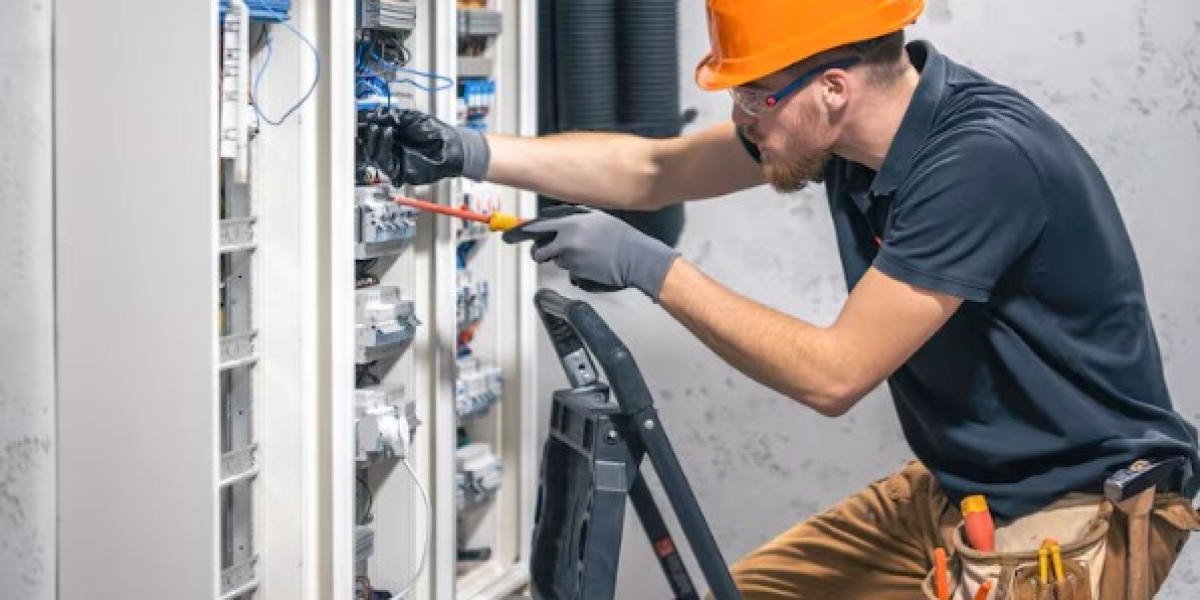

A residential electrician plays a vital role in ensuring that homes remain safe, functional, and energy-efficient. Electricity powers nearly every aspect of modern living, from lighting and appliances to heating, cooling, and entertainment systems. Without skilled professionals to install, maintain, and repair electrical systems, homeowners would face serious safety risks and daily inconveniences. Understanding what a residential electrician does and why their expertise matters can help homeowners make informed decisions about their electrical needs.
At the most basic level, a residential electrician specializes in installing and maintaining electrical systems within homes. This includes wiring new houses, upgrading outdated systems, installing lighting fixtures, replacing electrical panels, and troubleshooting electrical issues. While many homeowners may attempt small DIY projects, electrical work requires technical knowledge, precision, and strict adherence to safety standards. Even a minor mistake can result in electrical fires, shocks, or costly damage.
One of the primary responsibilities of a residential electrician is wiring new construction. During the building phase of a home, electricians design and install the electrical framework that supports outlets, switches, lighting, and major appliances. They carefully plan the placement of circuits to ensure balanced electrical loads and efficient power distribution. This stage is crucial because once walls are closed, correcting wiring mistakes becomes much more difficult and expensive.
In addition to new construction, a residential electrician often handles electrical upgrades in older homes. Many older properties were not designed to handle today’s high-powered appliances and electronic devices. As a result, homeowners may experience flickering lights, frequently tripped breakers, or insufficient outlets. Upgrading the electrical panel, adding new circuits, or replacing outdated wiring can significantly improve safety and performance. These upgrades also increase a home’s value and appeal to potential buyers.
Electrical panel upgrades are particularly important. The electrical panel serves as the central hub that distributes power throughout the home. If the panel is outdated or overloaded, it can pose a serious safety hazard. A professional residential electrician can assess whether a panel needs replacement and ensure the new system meets current safety codes. This not only reduces the risk of fire but also supports modern energy demands.
Lighting installation is another key service. Proper lighting enhances both functionality and aesthetics. Whether installing recessed lighting, chandeliers, outdoor security lights, or smart lighting systems, electricians ensure that fixtures are safely wired and properly supported. Outdoor lighting, in particular, requires weather-resistant materials and careful installation to withstand environmental conditions.
Troubleshooting and repairs are common tasks as well. Electrical problems can manifest in various ways, such as buzzing outlets, burning smells, or frequent breaker trips. Rather than ignoring these warning signs, homeowners should call a qualified residential electrician. Identifying the root cause quickly prevents minor issues from escalating into dangerous situations. Professionals use specialized tools to test circuits, measure voltage, and detect hidden faults behind walls.
Safety is at the core of every electrical project. Electricity is inherently dangerous, and improper handling can result in severe injury or property damage. Licensed electricians undergo extensive training to understand electrical theory, building codes, and safety procedures. They know how to de-energize circuits, use protective equipment, and follow regulations that minimize risks. Hiring a certified residential electrician ensures that all work complies with local codes and inspection requirements.
Energy efficiency has become increasingly important in recent years. Many homeowners seek ways to reduce utility bills and minimize environmental impact. Electricians can recommend energy-efficient lighting solutions, install programmable thermostats, and set up smart home systems that optimize power usage. They may also install dedicated circuits for electric vehicle chargers or integrate solar panel systems with existing wiring. These modern upgrades require specialized knowledge that only trained professionals can provide.
Smart home technology is another growing area of expertise. From automated lighting and security systems to voice-controlled devices, modern homes are becoming more interconnected. A residential electrician can ensure these systems are installed correctly and safely integrated with the home’s electrical infrastructure. Proper installation prevents overloads and maintains reliable performance.
Routine maintenance is often overlooked but highly beneficial. Just like plumbing or HVAC systems, electrical systems require periodic inspection. Loose connections, worn insulation, or aging components can pose hidden risks. Scheduling regular checkups with a residential electrician can identify potential issues before they become serious problems. Preventative maintenance ultimately saves money and enhances peace of mind.
When selecting an electrician, homeowners should consider experience, licensing, insurance, and customer reviews. A reputable professional will provide clear estimates, explain the scope of work, and answer questions thoroughly. Communication is essential, especially when projects involve significant upgrades or renovations. Transparency and professionalism reflect a commitment to quality service.
Cost is another factor homeowners often consider. Electrical work may seem expensive, but it is an investment in safety and long-term reliability. Attempting to cut corners by hiring unqualified individuals or performing complex tasks without proper knowledge can lead to greater expenses later. Properly installed electrical systems last longer, operate more efficiently, and reduce the likelihood of emergency repairs.
In emergency situations, electricians provide critical support. Power outages, storm damage, or sudden electrical failures require immediate attention. Having access to a dependable residential electrician ensures that urgent issues are addressed promptly and safely. Quick response can prevent further damage and restore comfort to the household.
The role of a residential electrician extends beyond technical skills. They contribute to the overall comfort, safety, and functionality of a home. Whether installing new systems, upgrading outdated components, or troubleshooting unexpected problems, their expertise keeps households running smoothly. As homes continue to adopt advanced technologies and energy-efficient solutions, the demand for skilled electricians will only grow.
In conclusion, a residential electrician is an essential professional in modern homeownership. Their work touches nearly every aspect of daily life, from basic lighting to complex smart home integrations. By prioritizing safety, efficiency, and quality workmanship, electricians help create secure and comfortable living environments. Homeowners who invest in professional electrical services not only protect their property but also ensure that their homes are prepared to meet present and future energy demands.