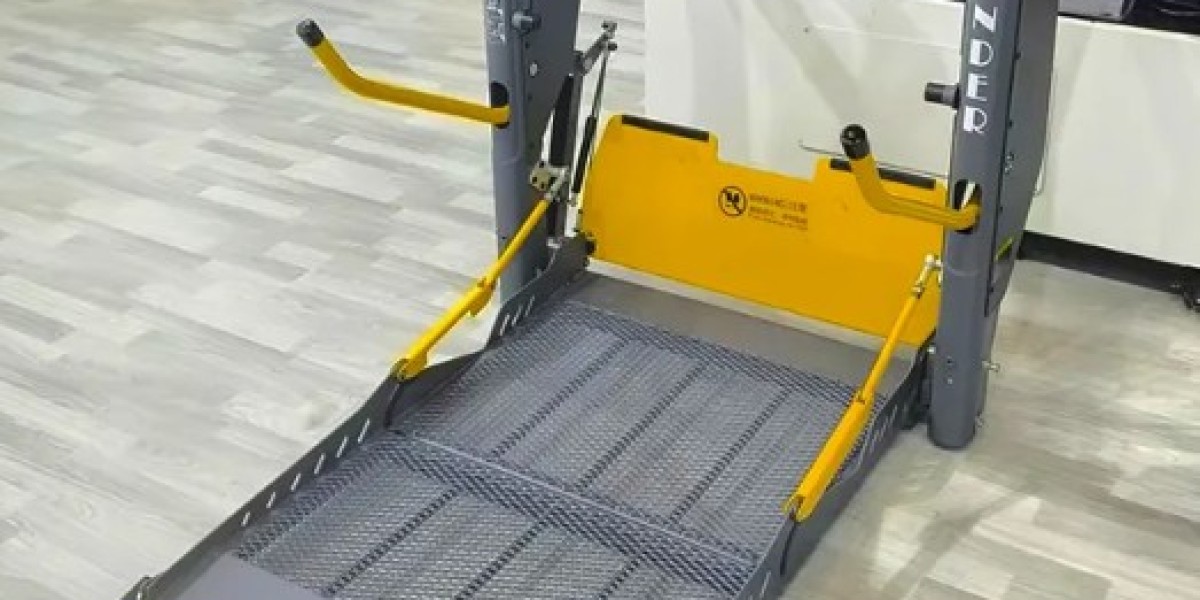

Installing a wheelchair lift can significantly enhance accessibility in both residential and commercial spaces. As more individuals prioritize inclusivity, understanding the key factors involved in the installation process becomes essential. This article discusses the critical considerations to ensure a successful installation of a wheelchair lift, providing insights that can help you make informed decisions.
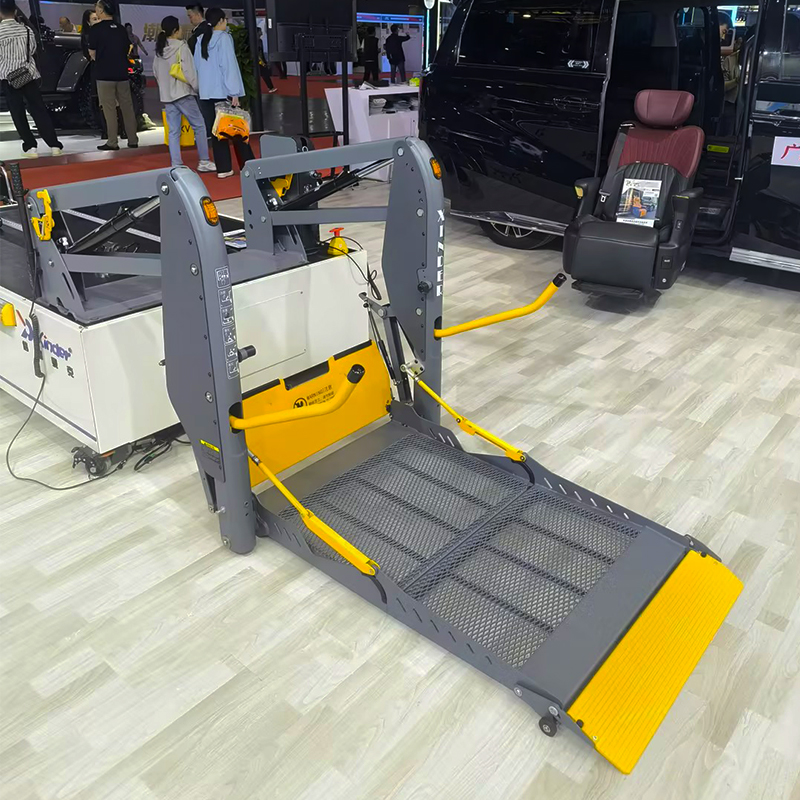
Understanding Your Space Requirements
Before installing a wheelchair lift, it is crucial to assess the available space. The dimensions of the area where the lift will be installed will dictate the type and size of the wheelchair lift you can choose. Ensure that the lift fits comfortably within the designated space, allowing for safe entry and exit. Additionally, consider the lift’s weight capacity to accommodate various users and any mobility aids they may require.
Compliance with Safety Standards
Safety is paramount when it comes to installing a wheelchair lift. Ensure that the lift complies with local building codes and safety regulations. This includes checking for features such as emergency stop buttons, safety sensors, and proper signage. A certified installer can help ensure that your wheelchair lift meets all necessary safety standards, providing peace of mind for users and caregivers alike.
Choosing the Right Type of Wheelchair Lift
There are various types of wheelchair lifts available, including vertical lifts, inclined lifts, and portable lifts. Each type has its unique advantages depending on the specific application. For instance, vertical wheelchair lifts are ideal for multi-story buildings, while inclined lifts are perfect for navigating stairs. Evaluating the specific needs of the users and the layout of the building will help you choose the most suitable option.
Installation Process and Professional Help
The installation of a wheelchair lift is not a DIY project. It requires professional expertise to ensure that the lift is installed correctly and safely. Hiring a qualified technician not only guarantees compliance with regulations but also enhances the overall functionality of the lift. They will evaluate your site, recommend the best lift for your needs, and handle all aspects of the installation process.
Cost Considerations and Budgeting
Budgeting for a wheelchair lift involves more than just the purchase price. Consider additional costs such as installation, maintenance, and potential modifications to your space. While investing in a high-quality wheelchair lift may seem daunting, it is essential to view it as an investment in accessibility and safety. Explore financing options or grants that may be available to assist with the costs.
Once your wheelchair lift is installed, proper user training is essential. Ensure that all potential users understand how to operate the lift safely. Additionally, regular maintenance checks are vital to keep the lift in optimal working condition. This includes routine inspections and servicing, which can prevent malfunctions and extend the life of the lift.
In conclusion, installing a wheelchair lift involves careful consideration of space, safety standards, type selection, professional installation, budgeting, and user training. By addressing these factors, you can ensure that your wheelchair lift serves its purpose effectively, enhancing accessibility for all users. Investing in a wheelchair lift not only promotes independence but also fosters an inclusive environment for everyone.