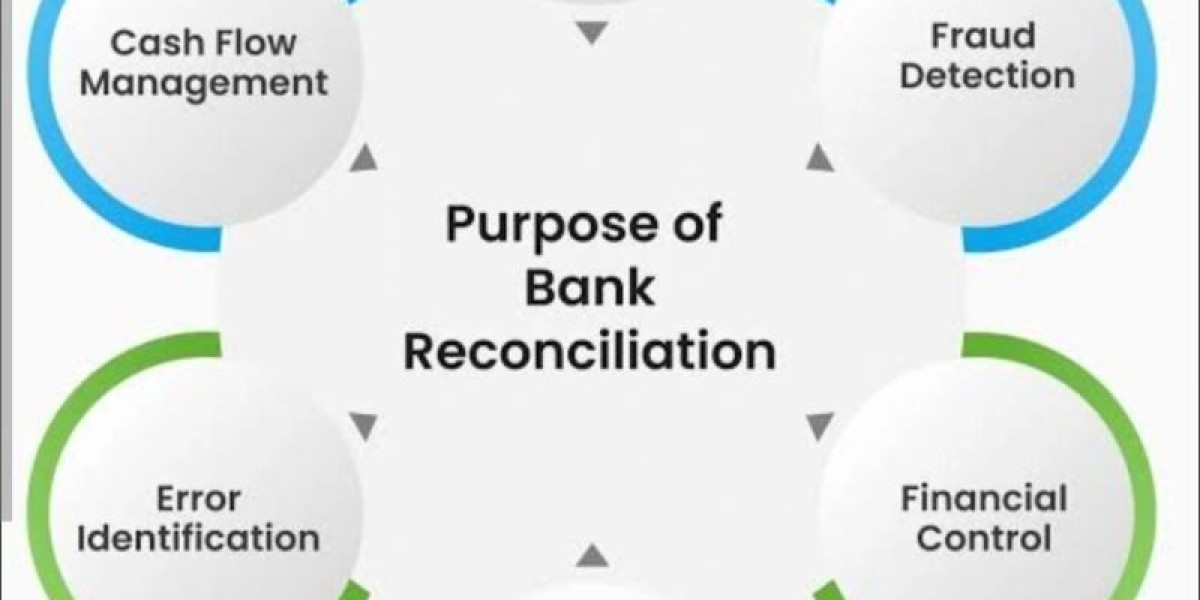

In today’s fast-paced business environment, maintaining accurate financial records is crucial for organizations of all sizes. One of the most effective ways to ensure financial accuracy, prevent fraud, and comply with regulatory standards is through risk management in reconciliation. Reconciliation, when executed properly, serves as both a financial checkpoint and a risk management tool, providing a systematic way to verify that financial data across various accounts and ledgers is consistent and accurate.
1. Understanding Risk Management in Reconciliation
At its core, reconciliation involves comparing two sets of financial records—such as bank statements and internal ledgers—to ensure that they match. Discrepancies can indicate errors, misstatements, or even fraudulent activity. Risk management in reconciliation is the process of identifying, assessing, and mitigating these risks to ensure accurate and reliable financial reporting.
Common risks in reconciliation include:
Data entry errors: Manual mistakes in recording transactions
Duplicate or missing entries: Overlooked invoices or repeated payments
Fraud: Unauthorized or fraudulent transactions
Delayed reconciliations: Delays that exacerbate financial discrepancies
By proactively addressing these risks, organizations can safeguard their financial data, improve transparency, and strengthen internal controls.
2. The Role of Reconciliation in Strengthening Internal Controls
Internal controls are policies and procedures designed to ensure the reliability of financial reporting, compliance with laws, and safeguarding of assets. Reconciliation is a fundamental component of these controls because it helps:
Detect errors early: Regular reconciliations uncover discrepancies before they escalate
Prevent fraud: Cross-verifying transactions reduces the likelihood of unauthorized activity
Ensure compliance: Accurate reconciliations support adherence to accounting standards and regulatory requirements
Enhance audit readiness: Well-documented reconciliations make audits more efficient and less disruptive
When risk management in reconciliation is implemented effectively, it strengthens overall internal controls and increases confidence in financial statements.
3. Best Practices for Effective Reconciliation Risk Management
To leverage reconciliation for risk management, organizations should adopt structured and consistent practices.
a. Standardize Reconciliation Procedures
Consistency reduces risk. Organizations should establish standard operating procedures (SOPs) that define:
Frequency of reconciliations (daily, weekly, monthly)
Documentation requirements for each transaction
Approval and review workflows
Steps for resolving discrepancies
Standardization ensures uniformity across departments, improves accountability, and makes reconciliation more predictable and reliable.
b. Segregate Duties
Segregation of duties is a key internal control principle. Employees responsible for recording transactions should not be the same individuals approving or reconciling them.
Segregation ensures that:
No single employee can manipulate accounts without detection
Errors or fraud are more likely to be identified
Accountability is maintained at every stage
c. Leverage Technology and Automation
Manual reconciliation is time-consuming and prone to error. Automation tools and accounting software enhance risk management in reconciliation by:
Automatically matching transactions between accounts and ledgers
Highlighting discrepancies for immediate review
Maintaining audit trails
Reducing the risk of human error
Adopting cloud-based solutions ensures transparency, real-time reporting, and secure data management, further strengthening internal controls.
d. Multi-Level Review and Approval
High-risk or high-value accounts require multiple layers of review. A recommended approach includes:
Initial reconciliation by staff or junior accountants
Supervisor or manager verification
Periodic internal audit checks
Multi-level reviews provide checks and balances, reducing the risk of errors and ensuring that discrepancies are addressed promptly.
e. Monitor Key Metrics
Organizations should track reconciliation metrics to measure the effectiveness of risk management. Important metrics include:
Number of unreconciled items
Time taken to complete reconciliations
Frequency of recurring discrepancies
Error rate in reconciliations
Monitoring these metrics enables proactive risk mitigation and ensures continuous improvement in internal controls.
4. Timely Reconciliation as a Risk Mitigation Strategy
Delays in reconciliation increase exposure to financial errors, fraud, and compliance risks. Performing reconciliations promptly helps organizations:
Detect discrepancies early
Ensure accurate cash flow management
Maintain audit-ready records
Minimize opportunities for unauthorized transactions
Timely reconciliation is a simple yet highly effective strategy for risk management in reconciliation, keeping internal controls strong and reliable.
5. Staff Training and Awareness
A successful reconciliation risk management program depends on knowledgeable staff. Organizations should provide:
Training on standard reconciliation procedures
Awareness of common errors and fraud indicators
Guidance on using automated tools
Escalation processes for unresolved discrepancies
Well-trained employees are more capable of identifying potential risks, maintaining compliance, and supporting internal control objectives.
6. Strategic Benefits of Risk Management in Reconciliation
Beyond reducing errors and fraud, risk management in reconciliation provides strategic benefits:
Improved decision-making: Accurate financial records enable informed business decisions
Cash flow optimization: Timely reconciliations provide visibility into outstanding liabilities and payments
Regulatory compliance: Consistent reconciliation ensures adherence to accounting standards and tax regulations
Enhanced stakeholder confidence: Reliable financial statements increase investor, auditor, and management trust
By embedding risk management into reconciliation, organizations turn routine processes into strategic tools.
7. Audit Readiness Through Proper Reconciliation
One of the most tangible benefits of risk management in reconciliation is audit readiness. Maintaining organized, accurate, and up-to-date reconciliations ensures that:
Auditors have complete documentation
Discrepancies are traceable and resolved
Compliance with internal policies and external regulations is verifiable
Strong reconciliation practices simplify audits, reduce scrutiny, and demonstrate the effectiveness of internal controls.
8. Continuous Improvement
Internal controls and reconciliation processes should evolve as businesses grow and regulations change. Organizations should:
Regularly review and update SOPs
Conduct internal audits of reconciliation practices
Incorporate feedback from staff and auditors
Evaluate emerging technology and automation tools
Continuous improvement ensures that risk management in reconciliation remains effective, efficient, and aligned with organizational goals.
Final Thoughts
Risk management in reconciliation is not just a finance task—it’s a strategic approach to strengthening internal controls, ensuring financial accuracy, and protecting the organization from errors and fraud.
By standardizing procedures, segregating duties, leveraging technology, performing timely reconciliations, and training staff, organizations can significantly enhance internal controls.
Businesses that prioritize reconciliation risk management benefit from:
Improved financial accuracy
Reduced operational and fraud risks
Enhanced compliance and audit readiness
Better cash flow visibility and strategic decision-making
In today’s competitive and regulated environment, strengthening internal controls through risk management in reconciliation is essential for sustainable growth and financial stability.