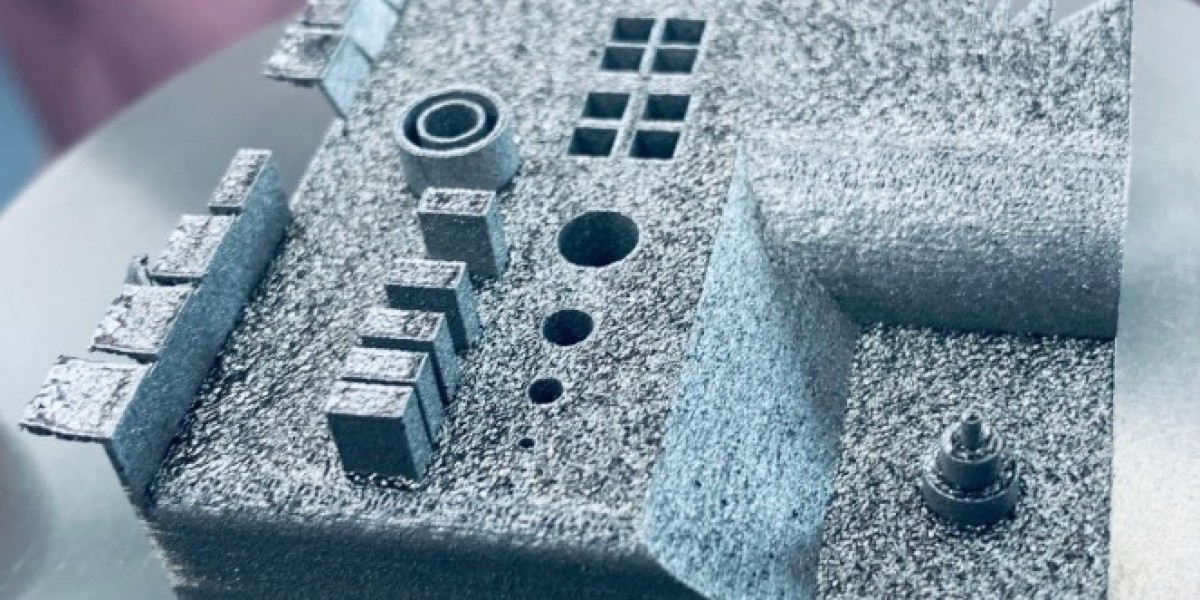

In the rapidly evolving landscape of manufacturing, metal 3D printing stands out as a groundbreaking technology that is transforming the way custom parts are produced. This innovative process not only enhances design flexibility but also significantly reduces production times and costs. As industries seek to optimize their manufacturing processes, understanding the advantages of metal 3D printing becomes crucial for businesses aiming to stay competitive in the global market.
The Advantages of Metal 3D Printing
Metal 3D printing, also known as additive manufacturing, offers several key advantages over traditional manufacturing methods. One of the most significant benefits is the ability to create complex geometries that would be impossible or prohibitively expensive to achieve with conventional techniques. This capability allows designers to push the boundaries of creativity, resulting in more efficient and lightweight components that can enhance overall product performance.
Moreover, metal 3D printing reduces material waste, as parts are built layer by layer, using only the necessary amount of material. This not only contributes to cost savings but also aligns with sustainability goals, making it an attractive option for environmentally conscious companies. The ability to produce customized parts on demand further streamlines the supply chain, minimizing inventory costs and lead times.
Applications Across Industries
The versatility of metal 3D printing has led to its adoption across various industries, including aerospace, automotive, and medical sectors. In aerospace, for instance, companies utilize metal 3D printing to manufacture lightweight components that enhance fuel efficiency and reduce emissions. The ability to produce complex parts with intricate internal structures is particularly beneficial in this industry, where performance and reliability are paramount.
In the automotive sector, metal 3D printing is revolutionizing the production of custom parts, enabling manufacturers to quickly prototype and test new designs. This agility in design and production allows automotive companies to respond swiftly to market demands and innovate at an unprecedented pace. Similarly, in the medical field, metal 3D printing is being used to create personalized implants and prosthetics, tailored to the specific needs of individual patients, thereby improving outcomes and patient satisfaction.
Overcoming Challenges in Metal 3D Printing
Despite its numerous advantages, metal 3D printing does face certain challenges that need to be addressed for broader adoption. One of the primary concerns is the high initial investment required for advanced 3D printing equipment and materials. However, as technology advances and becomes more accessible, the cost barrier is expected to decrease, making metal 3D printing a viable option for more businesses.
Additionally, the quality control of 3D printed metal parts is critical. Ensuring that parts meet stringent industry standards requires robust testing and validation processes. Companies are increasingly investing in quality assurance measures to guarantee that every part produced through metal 3D printing meets the necessary specifications for safety and performance.
The Future of Custom Manufacturing with Metal 3D Printing
Looking ahead, the future of custom manufacturing is poised to be significantly influenced by advancements in metal 3D printing technology. As research and development continue to push the boundaries of what is possible, we can expect to see even more innovative applications emerge. The integration of artificial intelligence and machine learning into the design and production processes will further enhance the capabilities of metal 3D printing, leading to smarter and more efficient manufacturing solutions.
In conclusion, metal 3D printing is revolutionizing custom manufacturing by offering unparalleled design flexibility, reducing material waste, and enabling rapid prototyping across various industries. As businesses continue to embrace this technology, those who leverage the advantages of metal 3D printing will undoubtedly gain a competitive edge in the global market. By investing in this innovative manufacturing method, companies can not only meet the demands of today but also prepare for the challenges of tomorrow.