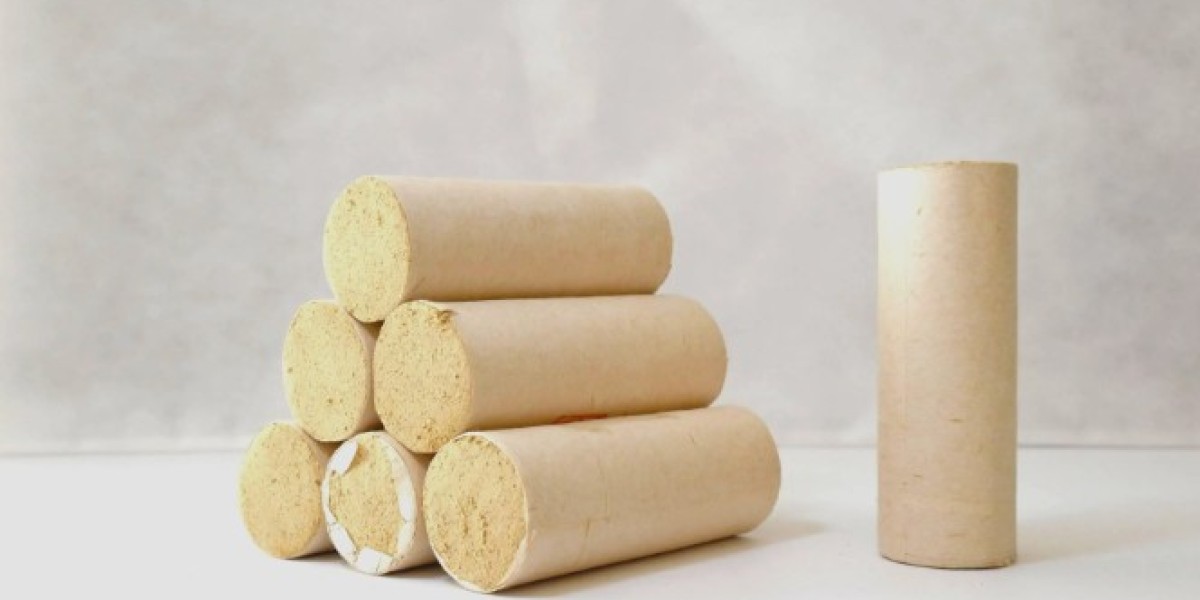

Moxibustion therapy, a significant aspect of traditional Chinese medicine, has been practiced for centuries. This ancient healing technique involves the burning of mugwort (moxa) near specific acupuncture points on the body. The warmth and medicinal properties of moxa are believed to enhance the flow of Qi, alleviate pain, and promote overall well-being. As modern wellness trends increasingly embrace holistic practices, understanding the traditional roots of moxibustion therapy becomes essential for those seeking natural health solutions.
The Historical Significance of Moxibustion Therapy
Moxibustion therapy dates back to over 2,500 years ago, with its origins deeply embedded in Chinese culture. Ancient texts, such as the Huangdi Neijing, detail the practice and its benefits. Traditionally, moxibustion was used to treat various ailments, from digestive disorders to chronic pain. The technique emphasizes the importance of balance within the body, aligning with the principles of yin and yang. This historical context highlights the enduring relevance of moxibustion therapy in contemporary health practices.
Benefits of Moxibustion Therapy
The advantages of moxibustion therapy extend beyond mere pain relief. This therapy is renowned for its ability to stimulate circulation, boost the immune system, and enhance overall vitality. Many practitioners advocate for moxibustion as a preventive measure, suggesting that regular sessions can help maintain health and well-being. Furthermore, moxibustion is often recommended for conditions such as arthritis, menstrual pain, and respiratory issues, making it a versatile tool in holistic health care.
How Moxibustion Therapy Works
The process of moxibustion involves the application of heat from burning moxa, which can be performed directly on the skin or indirectly using a barrier. The heat generated penetrates the skin, stimulating acupuncture points and promoting blood flow. This interaction between heat and acupuncture points is believed to enhance the body's natural healing processes. Additionally, moxibustion therapy can be tailored to individual needs, making it a personalized approach to health care.
Modern Applications and Research
In recent years, the popularity of moxibustion therapy has surged in the West, with many practitioners integrating it into their treatment protocols. Research studies have begun to explore its efficacy, revealing promising results in pain management and chronic conditions. As more individuals seek alternative therapies, moxibustion is gaining recognition as a valuable complement to conventional medicine. This shift underscores the importance of traditional practices in modern health care.
Conclusion
Exploring the traditional roots of moxibustion therapy reveals a rich history and a wealth of benefits that continue to resonate today. With its ability to enhance well-being and provide relief from various ailments, moxibustion therapy stands as a testament to the enduring wisdom of traditional medicine. As interest in holistic approaches grows, embracing practices like moxibustion can lead to a more balanced and health-conscious lifestyle.