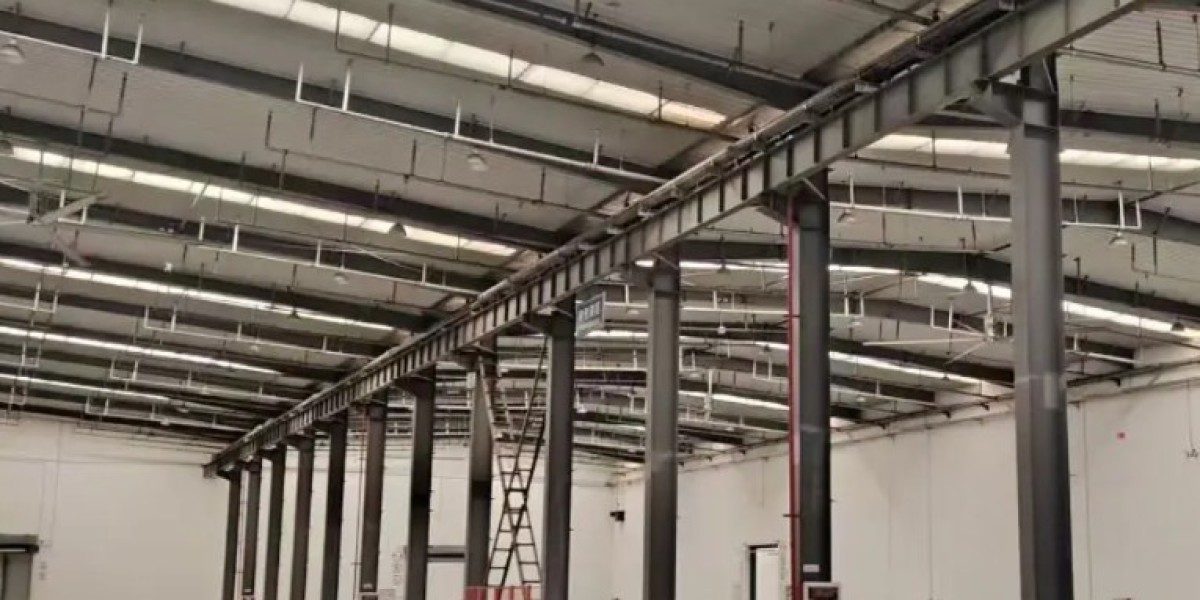

In the realm of modern construction, the choice of structural systems plays a pivotal role in determining the efficiency, durability, and overall success of a project. Rigid frame structures have emerged as a popular choice among architects and engineers, thanks to their unique advantages that cater to a wide array of building requirements. This article delves into the key benefits of using rigid frame structures, highlighting their significance in contemporary architecture and construction practices.
Enhanced Structural Integrity
One of the most compelling benefits of rigid frame structures is their enhanced structural integrity. Unlike traditional framing systems, rigid frames provide a continuous load path, distributing forces evenly throughout the structure. This characteristic minimizes the risk of structural failure, particularly in areas prone to seismic activity or extreme weather conditions. The robust nature of rigid frame construction allows for taller and more complex designs, enabling architects to push the boundaries of creativity while ensuring safety and stability.
Flexibility in Design
Rigid frame structures offer unparalleled flexibility in design, making them ideal for various applications, from commercial buildings to industrial facilities. The absence of interior load-bearing walls allows for open floor plans, which can be easily modified to accommodate changing needs. This adaptability is particularly beneficial for businesses that may require reconfigurations over time. Rigid frame systems also support a wide range of materials, including steel and reinforced concrete, giving designers the freedom to choose the best options for their projects.
Cost-Effectiveness
When considering the long-term financial implications of construction, rigid frame structures often prove to be cost-effective. Their efficient design reduces the amount of material needed, leading to lower construction costs. Additionally, the speed of assembly associated with rigid frames can significantly decrease labor expenses and project timelines. The durability of these structures also means reduced maintenance costs over their lifespan, making them a wise investment for property owners.
Sustainability and Energy Efficiency
As the construction industry increasingly emphasizes sustainability, rigid frame structures align well with eco-friendly practices. Their design allows for better energy efficiency, as they can accommodate advanced insulation techniques and energy-efficient systems. Furthermore, the materials used in rigid frame construction are often recyclable, contributing to a lower environmental impact. By choosing rigid frame structures, builders can meet green building standards and reduce their carbon footprint, appealing to environmentally conscious clients.
Rapid Construction and Reduced Downtime
In today's fast-paced world, the ability to complete construction projects quickly is paramount. Rigid frame structures facilitate rapid construction due to their prefabrication capabilities. Many components can be manufactured off-site and assembled on location, significantly reducing on-site construction time. This efficiency not only helps in meeting tight deadlines but also minimizes disruptions to surrounding areas, making rigid frame systems an attractive option for urban developments.
Resistance to Environmental Forces
Rigid frame structures are engineered to withstand various environmental forces, including wind, snow, and seismic activity. Their inherent strength and stability allow them to perform exceptionally well in adverse conditions, making them a preferred choice in regions with harsh climates. This resilience ensures the safety of occupants and the longevity of the building, further underscoring the value of rigid frame construction in modern architecture.
In conclusion, the key benefits of using rigid frame structures are manifold, encompassing enhanced structural integrity, design flexibility, cost-effectiveness, sustainability, rapid construction, and resistance to environmental forces. As the construction landscape continues to evolve, rigid frame systems stand out as a reliable and innovative solution for a diverse range of building projects. For architects, engineers, and property developers, embracing rigid frame technology not only meets current demands but also prepares for future challenges in the industry.