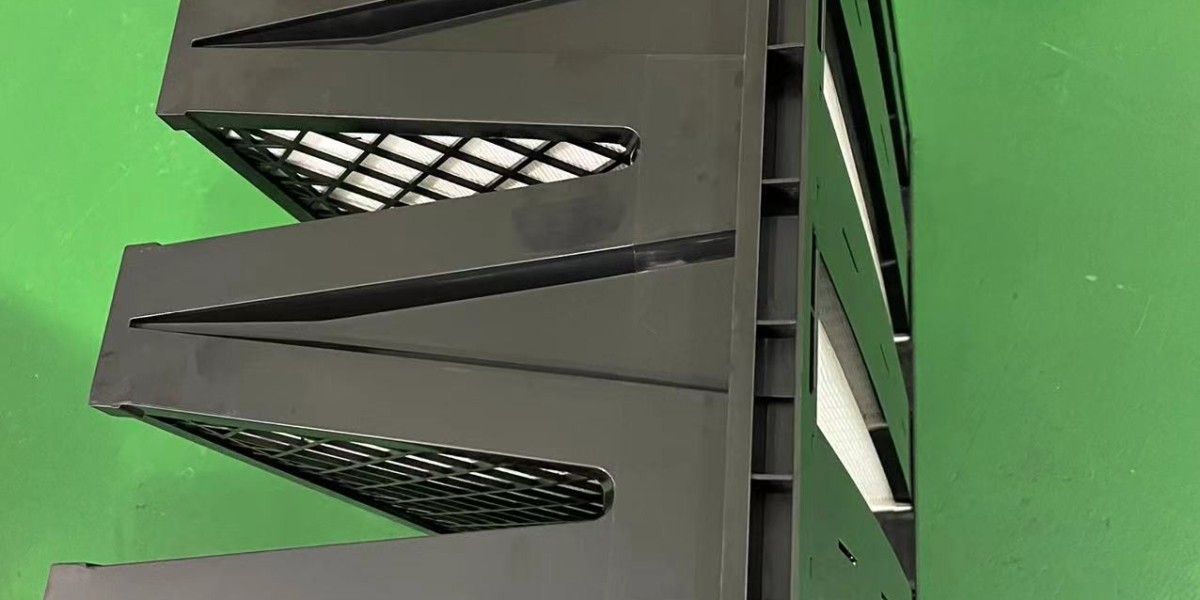
If you’ve ever looked at your under-sink water filter and thought, “Do I really need to change this, or is it fine?”, you’re not alone. I’ve seen people run filters for twice their intended lifespan and then complain about bad-tasting water, slow flow, or even a mini flood under the sink.
Under-sink filters are amazing because they quietly remove chlorine, sediment, and other contaminants right where you need clean water at the tap but only if they’re maintained properly. A filter is only effective while it’s doing its job; once it’s spent, it can turn into a breeding ground for bacteria or clog your plumbing, making timely water filter replacement essential.
This guide is for anyone with a DIY spirit, who wants clean water without calling a plumber every time. I’ll take you through exactly how these filters work, how to tell when they’re done, and the step-by-step process of replacing them safely.
Along the way, I’ll share the common pitfalls I’ve seen in real homes and give tips that make the whole process faster, cleaner, and less stressful. By the end, you’ll know not just how to change a filter, but why each step matters and how to avoid mistakes that can cost time, money, or even a flooded cabinet all while choosing the best furnace filters for your needs.
How Under-Sink Water Filters Work
Under-sink filters are compact, tucked away, and mostly out of sight but their performance is critical. The most common types you’ll encounter are activated carbon filters, reverse osmosis (RO) filters, and sometimes sediment pre-filters. Each serves a slightly different purpose. Carbon filters excel at removing chlorine, bad tastes, and odors. RO filters go deeper, stripping out heavy metals like lead, nitrates, and sometimes fluoride, leaving nearly pure water. Sediment filters are first in line, catching sand, rust, and other particles before they clog more sensitive filters downstream.
One thing most people don’t realize is that lifespan varies wildly. Manufacturers might say “replace every six months,” but in practice, it depends on your water. I’ve replaced filters in urban homes at three months because city water had lots of chlorine, and in rural homes, the same filter lasted almost a year because the water was softer and cleaner. Flow rate is a good clue: if your tap dribbles instead of streams, your filter is probably clogged. Also, taste and smell change subtly before your filter completely fails. If your water smells faintly “off” or tastes flat, it’s time to check.
Another nuance: even if the water seems fine, a filter beyond its lifespan can harbor bacteria. That’s a problem most DIY guides skip over. In short, your under-sink filter isn’t a “set it and forget it” device it’s a living system that responds to water conditions, usage, and age. Understanding this makes replacement less mysterious and more like routine maintenance.
When to Replace Your Filter
There are three main ways to know when it’s time to replace an under-sink filter: manufacturer guidelines, visual and taste cues, and water flow changes. Manufacturers give a standard schedule often six to twelve months but it’s more of a guideline than a hard rule. Real-life conditions matter. High sediment content, heavy chlorine, or frequent use can all shorten filter life.
Flow rate is the most obvious sign. If you notice your water is trickling instead of streaming, that’s a clear signal the filter is clogged. Some filters also come with pressure indicators; if yours doesn’t, your sense of touch and observation are key. Taste and odor shifts are subtler but equally important water may taste flat, metallic, or slightly chlorinated.
Another thing most people ignore: visual inspection. Some filters have clear housings. A dark or murky filter means it’s saturated. Even if your water looks fine, a fully loaded filter isn’t doing its job internally, and bacteria can start building up. Waiting too long risks both taste and safety. In my experience, combining these cues time, taste, and flow is the most reliable approach.
Tools & Materials Needed
Replacing an under-sink filter doesn’t require a toolbox full of gear, but having the right items makes the process far smoother.
Here’s what I usually have on hand:
A bucket or bowl
to catch drips (trust me, water will escape).
A towel or rag
for wiping up leaks.
Adjustable wrench
or the filter housing wrench that came with your system.
Replacement filter
always check part number and type.
Optional: gloves for handling old filters (they can be slimy) and Teflon tape if connections need resealing.
I’ve learned the hard way that running for paper towels mid-replacement wastes time and usually leads to water on the floor. Prep before you start, and you’ll thank yourself.
Step-by-Step Filter Replacement
Here’s where things get hands-on. I’ll walk you through the full process, with real-world tips.
Shut Off the Water Supply
Locate the cold water line under your sink and turn it off. Don’t assume the filter valve shuts off all flow you want the main line off to avoid a mini flood.
Relieve Pressure
Open the faucet to release any trapped water. This reduces pressure in the housing and makes unscrewing easier.
Place a Bucket Under the Filter
Water will drip when you remove the filter housing. I’ve learned that even a small bowl can overflow quickly if you’re not paying attention.
Remove the Old Filter
Use your filter wrench or hand strength, depending on the model. Twist slowly; if it’s stuck, a gentle wiggle works better than brute force. Remove the old filter and discard it carefully.
Clean the Housing
Wipe the inside of the housing with a clean cloth. If you see sludge or sediment, rinse it out. I’ve seen filters fail prematurely because people skipped this step. Some systems benefit from a mild soap rinse just make sure no soap residue remains.
Insert the New Filter
Check orientation most filters only fit one way. Push it in firmly until it seats properly. Improper seating is the number-one cause of leaks.
Lubricate O-Rings
If your system uses O-rings, a thin layer of food-grade silicone grease prevents leaks and helps future removal. Dry rings can crack or pinch, causing slow drips later.
Reattach the Housing
Screw the housing back on. Hand-tighten first, then use the wrench for a gentle snug. Over-tightening can crack plastic housings; under-tightening leads to leaks.
Turn Water Back On & Check for Leaks
Slowly open the water supply. Watch the first minute carefully. A small drip might be normal; a steady leak means you need to reseat the filter or O-ring.
Flush the System
Run water for a few minutes to flush out trapped air and carbon fines (that black dust some new filters leave). I usually run cold water for 5–10 minutes. It tastes better and prevents clogging downstream.
Safety Tips & Best Practices
Water under your sink can make a slippery mess, and some filters harbor bacteria if neglected. Always turn off water before touching anything, and keep towels or a small mop handy. Avoid cross-threading plastic housings they crack easily. If you ever smell a chemical or metallic odor after installation, stop and flush thoroughly. And don’t attempt to “stretch” a filter past its lifespan; short-term savings are not worth clogged pipes or contaminated water.
Choosing the Right Replacement Filter
Don’t guess. Filters are model-specific. Start by checking the part number on the old filter or the system manual. Look for NSF certifications for your target contaminants, whether that’s chlorine, lead, or sediment. Consider your water quality: high sediment areas benefit from heavy-duty pre-filters, while city water with chlorine-heavy supply may need enhanced carbon filters. If in doubt, bring a photo or the old filter to a local store or check the manufacturer’s website. Mismatched filters can leak, underperform, or worse damage your system.
Common Mistakes to Avoid
In my experience, most DIYers make the same errors. First, ignoring flow changes until it’s a problem by then, filters are over-saturated. Second, forgetting to lubricate or check O-rings, which almost guarantees leaks. Third, flushing inadequately those initial carbon fines can cloud your water for days if skipped. Fourth, using incompatible filters. Even slight differences in size or flow rating can cause leaks or poor performance. Finally, skipping the housing cleanup step; I’ve seen filters fail within weeks because old sediment wasn’t removed.
Cost & Maintenance Considerations
Replacement filters vary. A standard carbon under-sink filter can cost $30–$60, while multi-stage RO cartridges can run $70–$150. Factor in maintenance tracking: I recommend marking the installation date on the housing or keeping a small notebook. Knowing exactly when you changed a filter avoids surprises. Long-term, regular replacement keeps water quality high and protects your system, saving you plumbing headaches and even preventing costly leaks or damage.
Conclusion
Replacing your under-sink water filter might seem like a small chore, but in reality, it’s one of the most important steps to ensure safe, clean water at home. In my experience, the difference between a properly maintained filter and a neglected one is huge flow rate, taste, and even the safety of your water can change dramatically. Following the steps carefully, using the right replacement filter, and paying attention to visual cues, taste, and flow ensures your system continues working as it should. Don’t underestimate preparation: a bucket, towels, and checking O-rings can prevent leaks and messy surprises.
Remember, an under-sink filter isn’t “set it and forget it.” It’s a working system that reacts to your water quality and usage. Regular replacement is not just about taste it protects your plumbing, prevents bacterial buildup, and keeps your water consistently clean. By tracking replacement schedules, flushing properly, and avoiding common mistakes, you maintain a system that quietly does its job for years. Treat your filter with care, and it will reward you with safe, great-tasting water every day.
FAQS
How often should I change my under-sink filter?
How often you should change your filter depends on several real-world factors, not just the calendar. Manufacturers often recommend every six to twelve months, but that’s under ideal conditions. In my experience, the actual lifespan can be shorter if your water has high chlorine levels, lots of sediment, or if your household uses water heavily.
Conversely, in homes with softer or cleaner water, the filter can sometimes last longer than the suggested timeframe. I’ve seen families go nearly a year with little change in flow or taste, while city water users needed a replacement in three to four months. The key is to monitor your water’s flow, taste, and smell: if it slows down, tastes flat, or develops a faint odor, it’s time to swap the filter, regardless of the date on your calendar.
Can I do it myself?
Yes, in almost every case, replacing an under-sink filter is a DIY-friendly task. These systems are designed so homeowners can swap cartridges without special tools or plumbing expertise. The challenge is mostly preparation and attention to detail: turning off the water, catching drips, checking O-rings, and flushing the system afterward.
I’ve helped homeowners who were nervous about “messing something up,” and the process usually takes 10–20 minutes once you know the steps. The trick is to take it slow, follow the step-by-step sequence, and inspect your work. With practice, it becomes routine, and you’ll gain confidence that your water is safe and tasting its best.
What happens if I wait too long?
Waiting too long to replace a filter can cause more than just bad taste. In my experience, old filters clog, slow water flow, and can even harbor bacteria. I’ve seen cases where homeowners ignored the signs until the filter was completely saturated, leading to leaks or even cracks in the housing.
Beyond plumbing risks, a spent filter can’t remove contaminants effectively, which means your water may carry impurities you thought were being filtered out. Even if the water looks clear, waiting can compromise both safety and performance. The safest approach is to replace proactively using the combination of time, taste, and flow cues rather than relying only on a calendar.
How do I know which replacement filter to buy?
This is where people often guess and get it wrong. Always match the replacement filter to your system’s model number and type. Bring the old filter or check your system manual to ensure you get the correct cartridge.
Certifications like NSF can help confirm that the filter is designed to remove the contaminants you care about, whether it’s chlorine, lead, or sediment. In my experience, even small differences in size or design can cause leaks, poor performance, or uneven flow. If you’re unsure, a quick photo of the old filter with its markings or a reference to your system’s manual makes buying the correct replacement straightforward. Never assume a “similar size” will work it usually doesn’t.
Why is water cloudy after installing a new filter?
Cloudy water after a new filter installation is almost always normal and temporary. What’s usually happening is a mix of trapped air bubbles or fine carbon dust from the new cartridge. I’ve seen homeowners panic after replacing a filter, only to discover the water clears after running for 5–10 minutes.
Flushing the system properly is crucial: open the faucet fully and let the water run until it’s clear. If the cloudiness persists beyond a few minutes, it’s worth checking that the filter is seated correctly, the housing is tight, and there are no air pockets. Proper installation and flushing will almost always resolve the issue quickly, leaving you with clear, clean water.