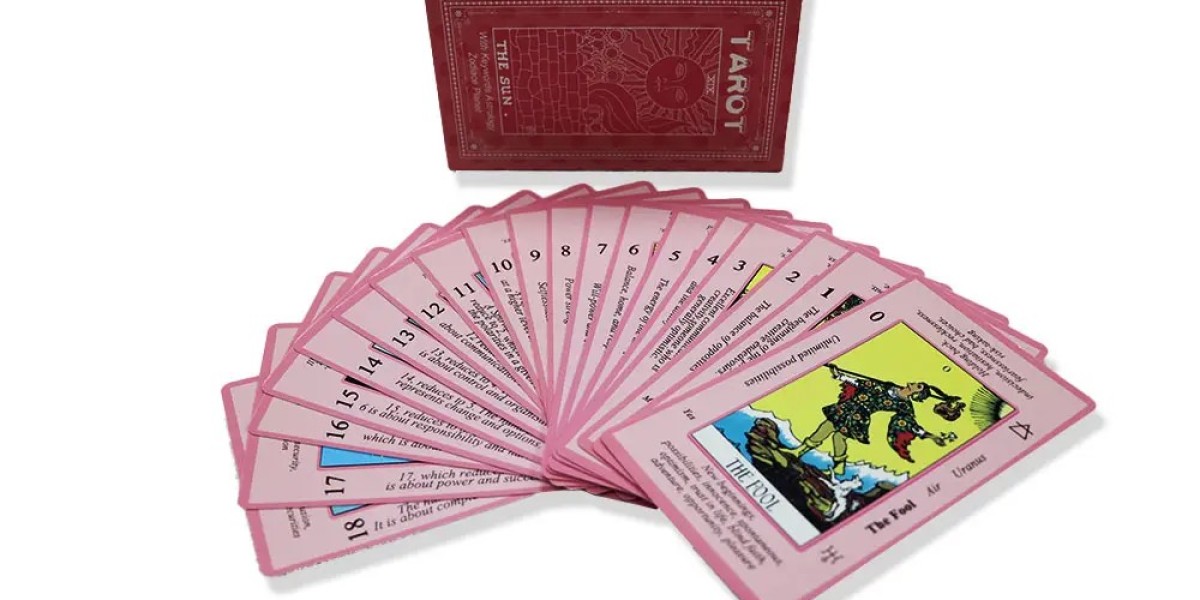

The Rise of Soft Aesthetic Tarot: How Gentle Design Is Bringing New Audiences to an Ancient Practice
The tarot industry stands at an interesting crossroads. For centuries, these cards served serious practitioners willing to study complex symbolism and confront challenging imagery. Traditional decks often feature bold colors and stark contrasts that prioritize symbolic weight over immediate accessibility.
Yet a quiet revolution is underway. A new generation of tarot enthusiasts seeks something different. They want insight delivered through a lens of gentleness, beauty, and emotional safety. They are collectors, self-care practitioners, and curious beginners drawn to cards that speak their visual language.
This article explores the rise of soft aesthetic tarot, examining how gentle design is opening ancient practice to audiences previously underserved by traditional products. For creators, retailers, and brands, understanding this shift reveals significant opportunities.
The Psychology of Gentle Imagery
Why does aesthetic matter so deeply to tarot users? The answer lies in how humans process visual and emotional content simultaneously.
Traditional decks often employ imagery designed to provoke contemplation through contrast. The Tower crashing down, the skeletal figure of Death, the somber expressions of court cards—these images serve purposes within established practice. They demand attention and encourage deeper inquiry.
For many potential users, however, these same images create barriers. Individuals experiencing anxiety, grief, or ordinary life stress may find such imagery overwhelming rather than illuminating. They seek tools that support emotional regulation, not those that trigger additional stress.
Soft aesthetic decks address this need directly. By rendering traditional symbols within gentle color palettes and incorporating nurturing imagery—cherry blossoms instead of stark chalices, flower shoots instead of rigid wands—they maintain symbolic integrity while transforming emotional impact. The meaning remains accessible, but the experience feels supportive rather than challenging.
Beyond Femininity: The Broad Appeal of Gentle Design
The pink color palette might suggest targeting exclusively feminine audiences. In practice, the appeal extends significantly wider.
Sensitive beginners of any gender find gentle imagery less intimidating for first explorations. The welcoming visuals reduce anxiety about doing things wrong and encourage playful engagement.
Self-care practitioners incorporate these decks into wellness routines alongside journals, candles, and other nurturing tools. The aesthetic consistency matters—cards that look peaceful support peaceful practice.
Gift buyers gravitate toward decks that communicate care through appearance alone. A beautifully packaged deck says "I thought about what would make you feel good" before the box even opens.
Collectors appreciate soft aesthetic decks as distinct categories within broader collections. The visual contrast with traditional decks creates interesting juxtapositions.
Therapy and coaching professionals find gentle decks more appropriate for client work, particularly with individuals building emotional resilience.
This diverse audience explains the rapid growth of soft aesthetic tarot as a market category.
Preserving Meaning Within Gentle Expression
A legitimate concern arises when decks soften imagery: do they sacrifice substance for style? Do users receive genuine guidance or merely pretty pictures?
Thoughtful design preserves meaning while transforming presentation. Every traditional symbol finds equivalent within gentle aesthetic frameworks. The Ace of Cups overflows not with water alone, but with delicate blossoms—amplifying themes of emotional abundance. The Ace of Wands becomes a tender shoot, emphasizing potential rather than forceful action.
Even challenging cards receive careful treatment. The Tower, traditionally depicted as violent destruction, can transform into flowing lines suggesting necessary release—the same core meaning communicated through gentler visual language.
This fidelity to traditional symbolism ensures that users learn authentic tarot. They can consult standard reference works and engage with the broader community using decks that feel personally supportive. The deck becomes a bridge rather than a barrier to deeper practice.
The Commercial Opportunity in Accessible Tarot
For businesses serving tarot audiences, soft aesthetic decks represent significant commercial potential.
Expanded market reach attracts customers who might never purchase traditional tarot products. Wellness enthusiasts, aesthetic-driven consumers, and gift shoppers all enter the category through appealing design.
Higher perceived value comes from beautiful packaging and cohesive aesthetics. Customers purchasing for self-care or gifting purposes respond strongly to presentation quality.
Repeat purchase potential grows as users who enter through gentle decks develop interest in tarot generally, subsequently exploring additional products. The soft aesthetic deck becomes a gateway to broader engagement.
Cross-category placement opportunities abound. These products fit naturally in gift shops, bookstores, wellness boutiques, and lifestyle retailers—channels beyond traditional metaphysical stores.
Social media visibility amplifies reach as soft aesthetic decks photograph beautifully, generating organic promotion when users share their decks across platforms.
Manufacturing Considerations for Gentle Aesthetics
Producing decks where emotional impact depends on subtle color gradients and delicate linework requires manufacturing capabilities beyond basic card printing.
Soft pink gradients demand exceptional color control throughout production. Unlike bold colors where minor variations remain unnoticeable, subtle hues reveal even slight shifts between batches. Premium manufacturers employ advanced color management systems, calibrating equipment specifically for each project and maintaining detailed records of approved color formulas.
Delicate illustrations require high-resolution printing that preserves every detail. Printing plates must transfer ink precisely without filling fine spaces or blurring edges. Experienced card manufacturers understand the relationship between artwork resolution and final print quality.
Surface treatment significantly affects how soft colors appear. Matte finishes reduce glare and create velvety texture that complements gentle aesthetics. The choice between smooth, linen, or textured finishes impacts both visual presentation and tactile experience.
For gift-oriented products, packaging carries particular importance. Boxes must protect cards while presenting beautifully. Manufacturers offering end-to-end services coordinate packaging development with card production, ensuring consistent aesthetic language throughout.
The Guidebook Opportunity
Soft aesthetic decks benefit enormously from thoughtfully written guidebooks that extend gentle philosophy into interpretive content.
Standard guidebooks often use language that may feel clinical to new users. Descriptions of challenging cards can inadvertently amplify anxiety rather than providing balanced perspective.
Guidebooks accompanying gentle decks adopt supportive language while maintaining interpretive integrity. They acknowledge difficulties while emphasizing growth opportunities. They speak to readers as collaborators in exploration rather than students receiving instruction.
For creators developing soft aesthetic decks, investing in guidebook development pays dividends through enhanced user experience and stronger word-of-mouth recommendation.
Market Positioning Strategies
Decks with gentle aesthetics occupy interesting territory between spiritual tools and lifestyle products, supporting multiple go-to-market approaches.
Wellness integration positions decks alongside journals and candles, emphasizing applications for daily reflection and mindful moments rather than complex readings.
Gift market placement highlights packaging quality and universal appeal. These decks work for birthdays, graduations, and personal treats. The aesthetic communicates care without requiring deep tarot understanding.
Beginner focus markets specifically to those curious about tarot but intimidated by traditional decks. Supportive design and clear guidance ease the learning journey.
Collector appeal frames decks as distinct aesthetic statements within broader collections. Limited editions attract established collectors seeking new expressions.
The Manufacturing Partnership
Creating soft aesthetic decks requires collaboration with manufacturers who understand both technical requirements and market nuances. Facilities in specialized printing centers like Dongguan offer advantages:
Equipment suited to precision work includes modern presses capable of maintaining color consistency across runs. Experienced teams understand how different papers accept ink and how coatings affect appearance. Quality systems implement multi-stage inspection catching defects before shipment. Flexible production capabilities serve both small boutique runs and large distribution quantities.
The Future of Gentle Tarot
The trend toward soft aesthetic decks appears likely to continue growing. Younger consumers prioritize emotional wellness and seek tools supporting mental health. Visual presentation drives discovery across social platforms. As tarot becomes mainstream, categories naturally diversify to serve varied preferences.
Your Place in This Growing Market
For creators considering new tarot projects, the soft aesthetic category offers compelling opportunities. Audiences exist, distribution channels welcome appropriate products, and differentiation from traditional decks proves straightforward.
Success requires clear vision, thoughtful design, and manufacturing partnership capable of executing delicate work consistently. With these elements aligned, creators can reach audiences seeking exactly what gentle tarot offers: ancient wisdom delivered through contemporary care, timeless insight wrapped in present-moment beauty.
The market for meaningful, beautiful, accessible spiritual tools continues expanding. Soft aesthetic decks occupy this intersection perfectly—inviting new users while satisfying experienced practitioners seeking fresh expression. For those ready to contribute to this growing category, the path forward beckons.