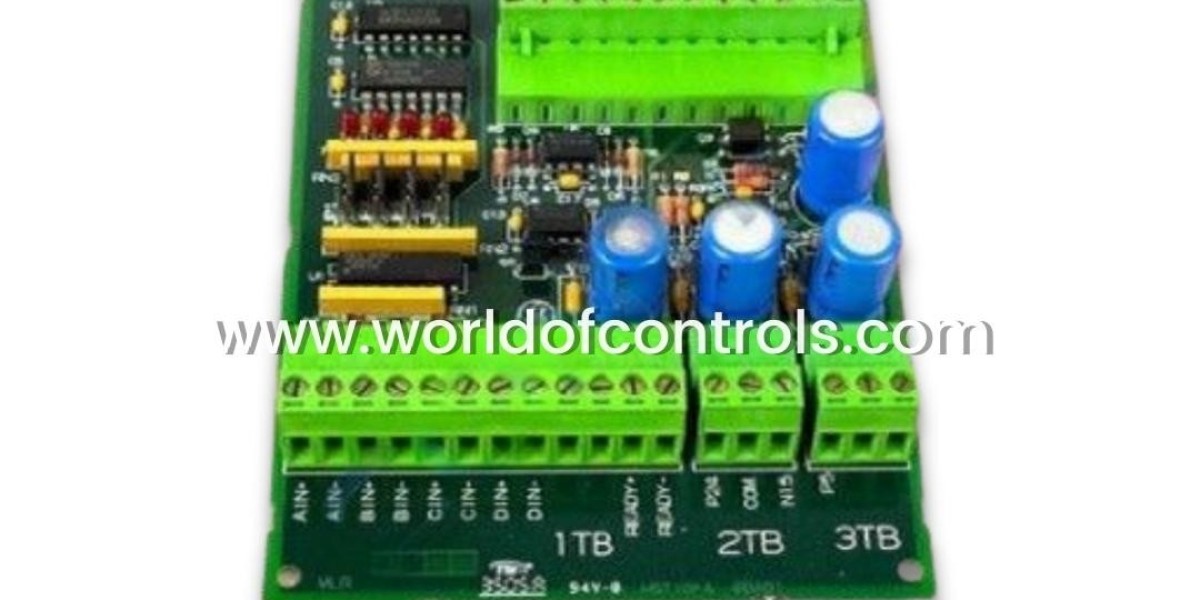

In modern gas and steam turbine operations, protection systems must respond within milliseconds to prevent catastrophic damage. High Speed Trip Interface modules are essential components in GE turbine control architectures, designed to detect fault conditions and initiate rapid shutdown sequences. Proper installation and configuration of these modules ensure safe, reliable, and compliant turbine operation.
Understanding High Speed Trip Interfaces in Turbine Systems
Purpose in Turbine Protection
A High Speed Trip Interface module monitors critical protection inputs such as overspeed, high vibration, overtemperature, and pressure faults. When abnormal conditions are detected, it immediately transmits a trip signal to the turbine control system, triggering shutdown mechanisms such as fuel isolation or steam valve closure.
These modules are commonly used within GE control platforms, particularly in Mark V and similar turbine control systems, where rapid signal processing and dependable shutdown logic are mandatory.
Role Within the Control Architecture
Within the turbine industry, high speed trip interfaces act as an intermediary between field devices (sensors and relays) and the main control processor. Their primary responsibilities include:
- High-speed signal detection
- Electrical isolation between field inputs and control logic
- Reliable transmission of trip commands
- Support for redundant safety configurations
Because turbine systems operate at extremely high rotational speeds and temperatures, even minor delays in trip response can result in significant mechanical damage.
Pre-Installation Preparation
Proper planning before installation reduces the risk of malfunction and downtime.
System Compatibility Verification
Before installing a High Speed Trip Interface module, confirm:
- Compatibility with the specific GE turbine control system
- Correct rack slot assignment and backplane configuration
- Appropriate power supply voltage and grounding requirements
- Input and output signal specifications
Ensuring compatibility prevents communication errors and improper signal handling.
Safety Procedures
Since these modules are part of safety-critical systems:
- Follow lockout/tagout (LOTO) procedures
- De-energize the control cabinet before handling components
- Use electrostatic discharge (ESD) protection
- Review turbine shutdown protocols
Failure to follow proper safety measures can lead to equipment damage or unsafe operating conditions.
Physical Installation Process
Mounting the Module
Install the module into the designated control rack slot. Ensure:
- Proper alignment with the backplane connector
- Secure and even seating without excessive force
- Tight fastening using approved hardware
Loose connections may cause intermittent faults or unreliable trip signaling.
Field Wiring Connections
Accurate wiring is critical for dependable protection performance. Connect:
- Speed monitoring inputs
- Protective relay outputs
- Trip output signals to shutdown mechanisms
Use shielded cables where specified to minimize electrical noise and avoid false trips. All wiring should strictly follow the turbine system’s electrical schematics.
Power and Grounding Checks
Before re-energizing the system:
- Verify correct input voltage
- Confirm proper grounding
- Inspect terminals for tightness
- Check for short circuits or wiring errors
Only after thorough verification should the control cabinet be powered on.
Configuration and Commissioning
Parameter Setup
Configuration is typically completed through the turbine control software interface. Key setup steps include:
- Defining trip thresholds
- Setting input logic states (normally open or normally closed)
- Enabling redundant trip paths
- Adjusting signal filtering and response timing
Accurate configuration ensures the module reacts appropriately under real fault conditions while avoiding nuisance trips.
Functional Testing
Commissioning should involve comprehensive testing procedures, such as:
- Simulated fault injection
- Trip response time verification
- Redundancy validation
- Alarm and event log confirmation
These tests confirm that the turbine will shut down within required safety time limits if a critical fault occurs.
Common Challenges and Best Practices
Preventing False Trips
False or nuisance trips can result from:
- Electrical noise
- Improper shielding
- Incorrect threshold settings
- Poor grounding
Best practices include maintaining clean wiring practices, verifying signal integrity, and carefully calibrating trip settings.
Maintaining Long-Term Reliability
To ensure dependable performance:
- Conduct routine inspections
- Check connectors and terminals regularly
- Review system diagnostics and event logs
- Perform periodic functional trip testing
Turbine environments often involve high vibration and temperature extremes, making preventive maintenance essential for sustained reliability.
Conclusion
GE High Speed Trip Interface modules are a critical layer of protection in turbine control systems. By rapidly detecting abnormal operating conditions and initiating immediate shutdown, they protect high-value assets and ensure personnel safety.
Successful installation and configuration require careful planning, precise wiring, correct parameter setup, and thorough commissioning tests. When properly implemented and maintained, these modules provide the fast, reliable protection necessary for safe and efficient turbine operation in demanding industrial environments.