
A sand image is a beautiful and creative form of art made using simple grains of sand. Though sand is soft and easily scattered by wind or water, talented artists transform it into meaningful images, portraits, sculptures, and storytelling scenes. Sand images can be created on beaches, on flat boards, or even on illuminated glass tables for live performances. This unique art form shows how something as ordinary as sand can become extraordinary through imagination and skill.
One of the most common types of sand images is beach sand art. Artists draw directly on wet sand using their fingers, sticks, or small tools. Some create detailed portraits of famous personalities, while others design landscapes, spiritual themes, or social awareness messages. The smooth surface of wet sand helps in shaping clear lines and shading. However, beach sand images are temporary. The waves of the sea or a strong breeze can erase the artwork within minutes. This temporary nature makes sand art special because it teaches us to appreciate beauty in the present moment.
Sand sculptures are another impressive form of sand images. In this type, artists build three-dimensional figures by piling and carving sand. They often mix sand with water to make it compact and strong. Large sand sculpture festivals are organized in many countries, where artists create giant statues, animals, mythological characters, and cultural symbols. These sculptures can be several feet tall and take many hours or even days to complete. The details in these creations show patience, creativity, and dedication.
Colored sand images are also very popular. In this method, artists use sand dyed in different colors to create vibrant designs. The sand is carefully poured layer by layer into bottles or spread on flat surfaces to form patterns and pictures. Some artists create traditional rangoli-style designs using colored sand during festivals and celebrations. These artworks are bright, attractive, and suitable for indoor decoration. Colored sand images allow artists to experiment with patterns, symmetry, and shading effects.
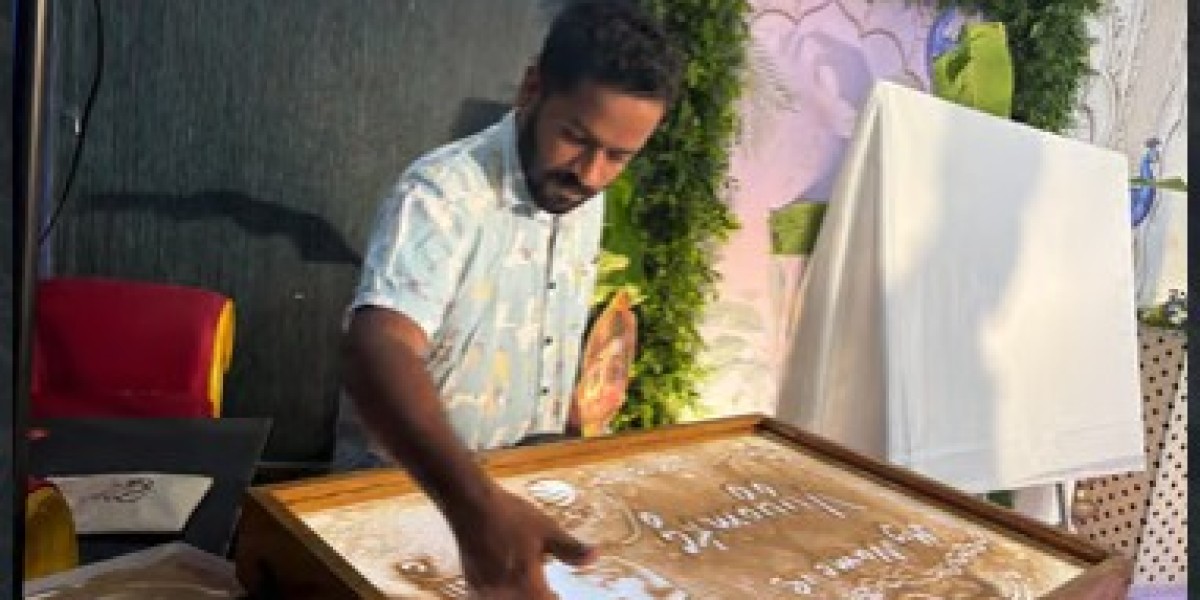
Another fascinating form of sand image art is sand animation. In this style, artists perform live by sand drawing images on a glass table filled with sand. A light beneath the glass highlights the design, and a camera projects the artwork onto a screen. The artist continuously changes the images to tell a story. With a few swift movements of the hands, one picture smoothly transforms into another. Sand animation is often used to narrate emotional stories, historical events, or social messages. The audience watches in silence as the story unfolds through changing sand images.
Creating a sand image requires focus and imagination. Artists must understand light, shadow, texture, and proportion. Even though the material is simple, the technique demands practice and control. Some artists specialize in realistic portraits, while others focus on abstract or symbolic designs. Inspiration can come from nature, culture, history, or personal experiences.
Sand images also carry deep meaning. Because they are temporary, they remind us that life itself is fleeting. Many artists use sand to spread messages about environmental protection, peace, unity, and humanity. The natural element of sand connects the artwork to the earth, making it feel pure and organic.
In conclusion, sand images are a wonderful blend of creativity, skill, and emotion. Whether formed on a beach, sculpted into grand structures, colored into vibrant designs, or animated in live performances, sand art captures the imagination of viewers. It proves that even the smallest grains can come together to create something truly magnificent.