
Introduction
When shoppers look for sparkle at an accessible price, two options often come up: cubic zirconia and a lab grown diamond. While both can appear attractive at first glance, they differ significantly in composition, durability, and long-term appearance. Understanding these differences helps buyers choose a stone that truly matches their expectations and lifestyle.
Understanding What Each Stone Is
A lab grown diamond is a real diamond created in a controlled laboratory environment. It has the same chemical composition, crystal structure, and hardness as a mined diamond. Cubic zirconia, commonly known as CZ, is a diamond simulant made from zirconium dioxide. Although CZ is designed to resemble a diamond visually, it is not a diamond and behaves very differently over time.
Differences in Brilliance and Light Performance
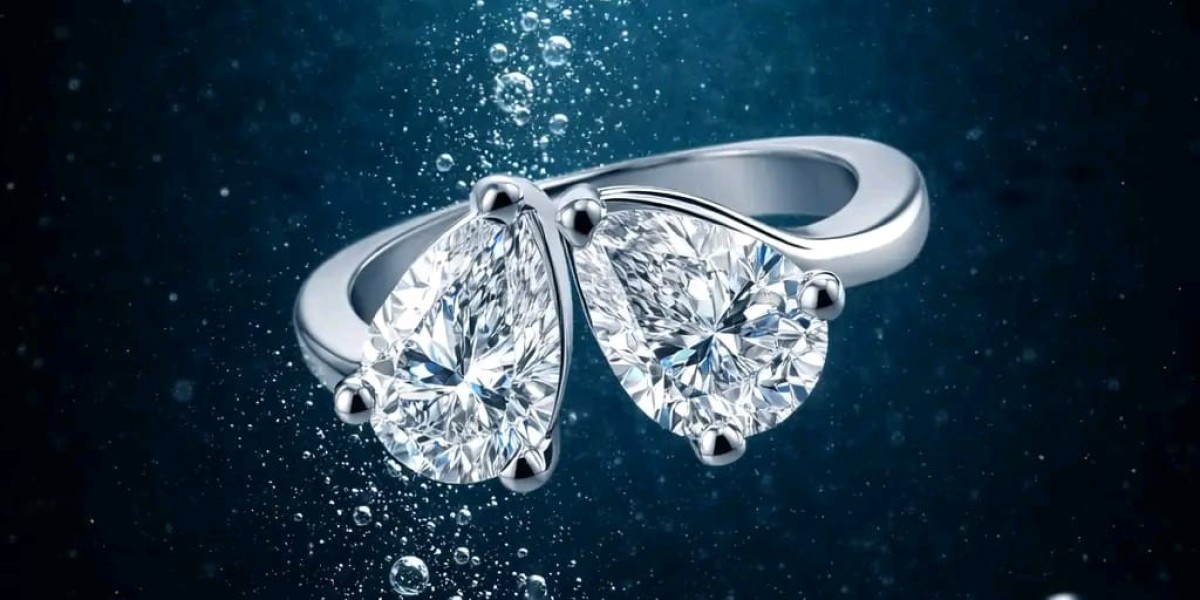
Cubic zirconia tends to display intense rainbow flashes due to its higher dispersion. Some buyers enjoy this bold sparkle, while others find it looks less natural. A lab grown diamond produces the classic diamond sparkle—bright white light with balanced fire and sharp reflections. In everyday indoor and natural lighting, this difference becomes more noticeable, especially when the stone is well cut.
Durability and Long-Term Wear
Durability is one of the biggest deciding factors for daily jewellery. Cubic zirconia is much softer than diamond and scratches easily. Over time, these tiny scratches dull the surface, causing the stone to look cloudy or worn. A lab grown diamond, however, is extremely resistant to scratching and maintains crisp facet edges even after years of wear. This makes it far more suitable for engagement rings and everyday jewellery.
Maintenance and Longevity
Cubic zirconia often requires replacement when it loses its shine, particularly in rings worn daily. While the initial cost is low, repeated replacement can increase long-term expense. A lab grown diamond is generally a one-time investment that retains its brilliance with proper cleaning and basic setting maintenance.
Cost and Value Comparison
CZ is significantly cheaper upfront, making it suitable for fashion jewellery or occasional wear. However, it lacks long-term value and durability. A lab grown diamond costs more initially but offers lasting beauty, structural integrity, and acceptance in fine jewellery standards, making it a better value over time.
When Cubic Zirconia Makes Sense
Cubic zirconia can be a practical option for:
- Travel jewellery
- Trend-based fashion pieces
- Temporary or backup rings
- Low-risk everyday accessories
For milestone jewellery or long-term wear, many buyers prefer a lab grown diamond. Understanding how each stone behaves over time helps buyers avoid disappointment and ensures the jewellery chosen aligns with daily wear expectations, lifestyle demands, and long-term aesthetic preferences.
Conclusion
Both stones serve different purposes, but the choice depends on longevity and expectations. If you want lasting brilliance, durability, and fine-jewellery quality, a lab grown diamond is the stronger option. Cubic zirconia can work for short-term sparkle, but it rarely delivers the same long-term satisfaction.