
Cradle cap is one of the most frequently seen skin concerns in infants, yet it often causes unnecessary worry for parents. It appears as flaky, slightly greasy patches that form on a baby’s head, sometimes extending to the eyebrows or behind the ears. Although it may not look pleasant, cradle cap is generally harmless and temporary.
When parents begin to explore ways to manage this condition, they usually focus on products that are safe and non-irritating. A mild shampoo for cradle cap is often one of the first choices because it helps clean the affected area while keeping a baby’s delicate skin protected. Starting with a gentle care routine can prevent the condition from worsening.
What Leads to Cradle Cap?
Cradle cap is mainly caused by excess oil production in a baby’s skin. This oil traps dead skin cells, causing them to stick together and form visible flakes. It is not related to poor hygiene, which is a common misconception among new parents.
Hormonal changes passed from the mother before birth can also contribute to this condition. These hormones can temporarily increase oil production, leading to the development of cradle cap. In some cases, natural skin yeast may also play a minor role, but it is not harmful.
Identifying the Symptoms Early
Recognizing cradle cap early makes it easier to manage. The condition usually starts with mild flaking and gradually becomes more noticeable if not treated properly.
Common signs include:
- Yellow or white scaly patches
- Slight redness in affected areas
- Greasy or crusty skin texture
- Flakes that stick to the hair
Most babies do not experience itching or discomfort, which makes cradle cap less serious compared to other skin conditions.
Safe and Gentle Treatment Methods
Treating cradle cap requires patience and a soft approach. Since a baby’s skin is highly sensitive, harsh treatments should be avoided. Gentle cleansing is the most effective way to manage this condition.
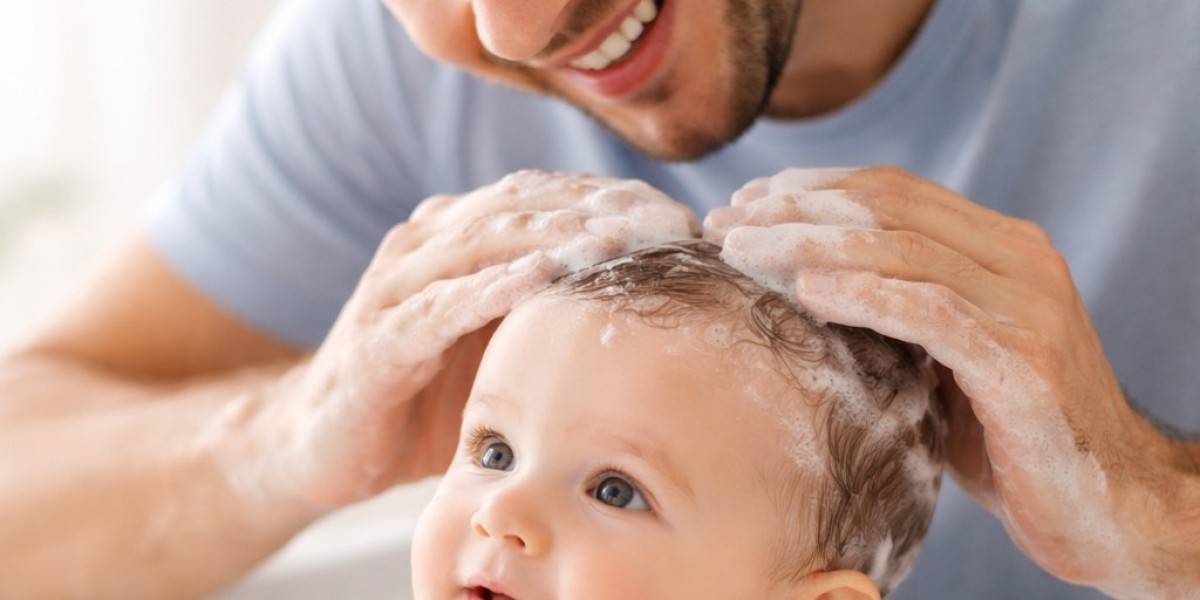
Parents can wash their baby’s head regularly with a mild cleanser and use a soft brush to loosen flakes. Applying a small amount of natural oil before washing can help soften the buildup, making it easier to remove without irritation.
Consistency is more important than intensity. A simple routine followed regularly can show better results over time.
Choosing the Right Care Strategy
As you continue observing your baby’s skin, you’ll start to notice how it reacts to different routines and products. At this point, many parents shift towards using a Mild Shampoo for Cradle Cap that is specifically designed to gently cleanse while maintaining the skin’s natural moisture. What makes this approach stand out is its ability to balance cleaning and hydration, rather than stripping away essential oils.
A well-chosen product used consistently can gradually reduce flakes and improve the overall condition of the skin.
Daily Care Habits That Help
Small daily habits can make a significant difference in managing cradle cap. Washing the baby’s head two to three times a week helps control oil buildup. However, over-washing should be avoided, as it may lead to dryness.
Using soft towels and gently patting the head dry instead of rubbing can prevent irritation. Keeping the baby’s skin clean and dry also supports faster improvement.
Clothing also plays a role. Soft, breathable fabrics reduce the risk of irritation, especially if flakes spread to nearby areas.
Environmental Factors and Their Impact
Environmental conditions can influence how cradle cap develops. Dry indoor air may make flakes more visible, while warmer conditions can increase oil production.
Maintaining a balanced indoor environment, such as using a humidifier if needed, can help support healthier skin. Avoiding extreme temperature changes also reduces stress on the skin.
Mistakes Parents Should Avoid
One of the most common mistakes is trying to remove flakes forcefully. Picking or scratching can irritate the skin and may even lead to redness or minor infections. It is always better to allow flakes to loosen naturally.
Using adult shampoos or strong medicated products is another mistake. A baby’s skin requires gentle, specially formulated products that do not cause irritation.
Switching products too frequently can also slow down progress. Consistency is key when managing cradle cap.
When to Seek Professional Advice
Although cradle cap is usually harmless, there are situations where professional advice may be necessary. If the condition spreads beyond the head, becomes inflamed, or does not improve with regular care, it is best to consult a healthcare provider.
They can recommend safe treatment options and ensure there are no underlying skin conditions.
Final Thoughts
Cradle cap is a temporary and manageable skin issue that most babies experience during early development. With a gentle and consistent care routine, it can be controlled effectively without causing discomfort.
By focusing on mild cleansing, avoiding harsh treatments, and maintaining healthy daily habits, parents can help improve their baby’s skin over time. A calm and patient approach ensures that cradle cap gradually clears, making daily care easier and stress-free for both the baby and the parents.