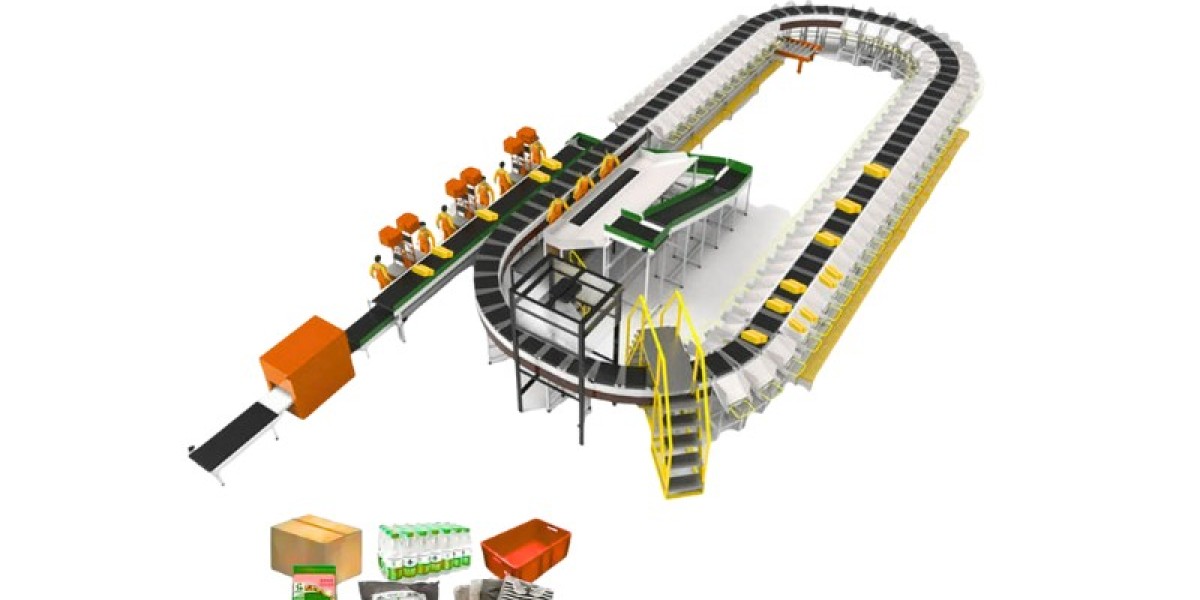

In today's rapidly evolving manufacturing landscape, flexibility is paramount. Modular conveyors offer a versatile solution that adapts to the dynamic needs of production lines, enhancing efficiency and productivity. This article delves into the myriad benefits of modular conveyors, illustrating why they are the ideal choice for modern manufacturing environments.
Enhanced Flexibility and Customization
Modular conveyors stand out for their ability to be tailored to specific manufacturing processes. Unlike traditional conveyor systems, which can be rigid and difficult to modify, modular conveyors can be easily reconfigured to accommodate changes in production volume or product design. This adaptability means that manufacturers can seamlessly integrate new products into their existing systems without extensive downtime or costly overhauls. The modular design allows for the addition or removal of conveyor sections, enabling manufacturers to scale operations efficiently and respond to market demands swiftly.
Cost-Effectiveness and Efficiency
One of the most compelling reasons to choose modular conveyors is their cost-effectiveness. The modular nature of these conveyors reduces installation costs and minimizes maintenance expenses. With fewer moving parts and simplified designs, modular conveyors require less upkeep, translating into lower operational costs over time. Additionally, their efficient design optimizes material flow, reducing waste and improving overall productivity. By investing in modular conveyors, manufacturers can achieve significant savings while enhancing their production capabilities.
Improved Safety Features
Safety is a critical concern in any manufacturing environment. Modular conveyors are designed with safety in mind, incorporating features such as emergency stop buttons, guards, and safety sensors. These elements help to minimize the risk of accidents and ensure a safe working environment for employees. Furthermore, the ease of maintenance and accessibility of modular conveyors allows for regular safety checks and quick repairs, promoting a culture of safety within the organization.
Integration with Advanced Technologies
As manufacturing increasingly embraces automation and Industry 4.0 technologies, modular conveyors are perfectly positioned to integrate with these advancements. They can be easily connected to automated systems, robotics, and IoT devices, facilitating real-time data exchange and enhancing overall operational efficiency. This integration not only streamlines processes but also provides valuable insights into production performance, enabling manufacturers to make informed decisions and optimize their operations.
Sustainability and Environmental Considerations
In an era where sustainability is a priority, modular conveyors align with eco-friendly practices. Their energy-efficient designs reduce power consumption, and the ability to recycle components minimizes waste. By choosing modular conveyors, manufacturers can contribute to a greener manufacturing process while also meeting regulatory requirements and consumer expectations for sustainability. This commitment to environmental responsibility can enhance a company's reputation and appeal to eco-conscious customers.
Conclusion
In conclusion, modular conveyors represent a smart investment for manufacturers seeking flexibility, efficiency, and safety in their operations. Their customizable nature, cost-effectiveness, and compatibility with advanced technologies make them an ideal choice for modern manufacturing environments. By adopting modular conveyors, businesses can not only enhance their production capabilities but also position themselves for future growth and sustainability in an ever-changing market.