
Introduction
The kitchen is often called the heart of any home or food service establishment. Over time, grease, food residues, spills, and airborne particles accumulate in even the most diligently maintained spaces. While daily wiping and basic sanitizing help, kitchen deep cleaning goes much further by addressing hidden buildup in hard-to-reach areas.
Kitchen deep cleaning involves thorough, intensive cleaning that targets surfaces, equipment, ventilation systems, and structural elements often missed in routine maintenance. This applies to both residential kitchens and commercial kitchen cleaning environments such as restaurants, hotels, catering facilities, and cafeterias, where higher volumes of food preparation amplify the need for rigorous hygiene.
Why Kitchen Deep Cleaning Matters for Hygiene, Food Safety, and Safety
Maintaining impeccable cleanliness in a kitchen is essential for preventing contamination and ensuring safe food handling. In commercial kitchens, regulatory bodies enforce strict hygiene standards to protect public health. Professional kitchen deep cleaning helps meet these requirements by eliminating bacteria, mold, and allergens that regular cleaning cannot fully remove.
For staff, a thoroughly cleaned workspace reduces slip hazards from grease buildup and minimizes exposure to harmful residues. In homes, it creates a healthier environment for families, especially those with children, elderly members, or anyone with respiratory sensitivities.
Risks Associated with Skipping Kitchen Deep Cleaning
Neglecting deep cleaning can lead to serious consequences. Accumulated grease and food particles create ideal breeding grounds for bacteria, increasing the risk of foodborne illnesses that can affect customers or household members.
In commercial settings, poor hygiene may result in failed health inspections, fines, temporary closures, or reputational damage. Fire hazards rise dramatically when grease builds up in exhaust hoods, ducts, and fansissues that have caused devastating kitchen fires. Pest infestations become more likely as residues attract rodents, cockroaches, and flies. Over time, unclean equipment suffers accelerated wear, leading to costly breakdowns and repairs.
Types of Kitchens and Establishments That Benefit Most
Professional kitchen cleaning proves especially valuable in high-volume settings:
- Restaurants and cafes with constant cooking activity
- Hotel kitchens preparing meals for guests and events
- Catering facilities handling off-site functions
- Cafeterias in schools, hospitals, or corporate offices
Even residential kitchens benefit when homeowners seek a comprehensive reset after renovations, heavy use, or simply to maintain long-term hygiene.
kitchen deep cleaning Methods, Tools, and Safety Standards
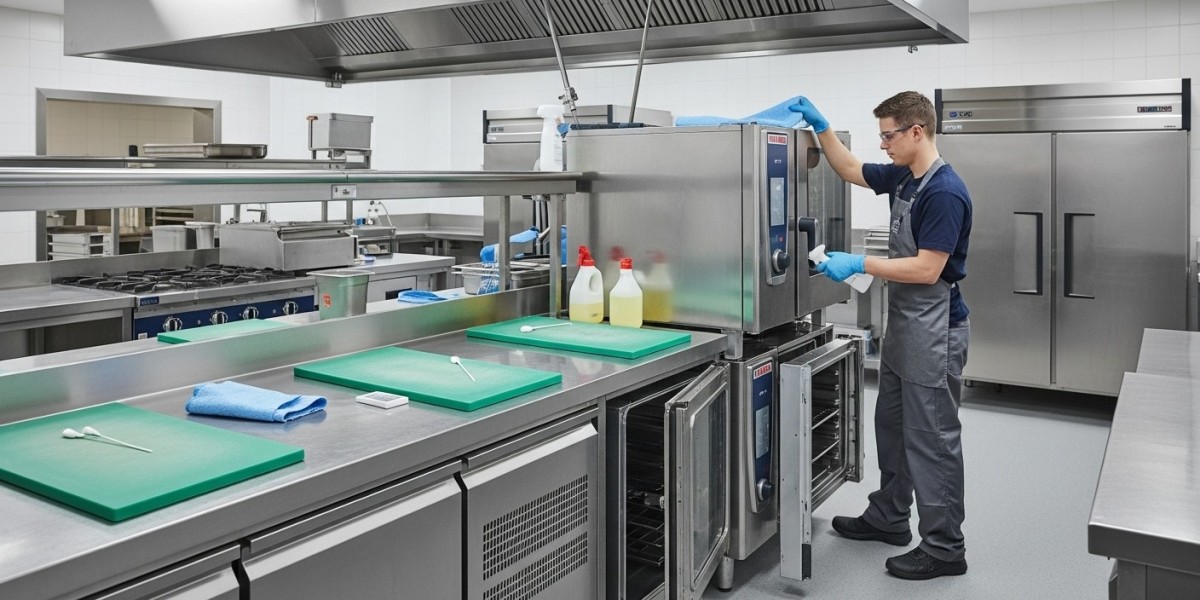
Trained professionals use specialized approaches that differ significantly from DIY efforts. Common professional kitchen deep cleaning methods include:
- High-pressure hot water or steam extraction for grease removal
- Industrial-grade degreasers applied to ovens, grills, fryers, and hoods
- Detailed scrubbing of tile grout, stainless steel surfaces, and ventilation systems
- Food-safe sanitizers that meet health regulations
- HEPA-filtered vacuums and microfiber tools to reduce airborne contaminants
Professionals follow safety protocols, such as wearing protective gear, ensuring proper ventilation during chemical use, and adhering to industry standards like those from health departments or food safety organizations. Many incorporate eco-friendly practices, using biodegradable cleaners and low-water methods to minimize environmental impact.
Key Benefits of Hiring Professionals for Kitchen Deep Cleaning
Investing in expert services delivers multiple advantages beyond basic cleanliness.
Superior Efficiency and Thoroughness
Professionals complete deep cleans faster and more effectively, using commercial-grade equipment that reaches elevated or confined areas. This allows staff or homeowners to focus on their primary responsibilities without disruption.
Enhanced Compliance and Food Safety
Regular professional cleaning supports adherence to hygiene regulations, reducing the likelihood of violations. It significantly lowers contamination risks, protecting both public health and business continuity.
Improved Air Quality and Working Environment
Removing grease-laden dust and residues improves ventilation and reduces odors, creating a fresher, healthier space that benefits everyone present.
Preventive Maintenance and Equipment Longevity
Deep cleaning removes corrosive buildup from appliances, extending their lifespan and reducing repair costs. Well-maintained equipment operates more efficiently, potentially lowering energy bills.
Long-Term Cost Savings
While professional services involve an upfront cost, they prevent expensive issues like emergency repairs, pest treatments, health-related downtime, or replacement of prematurely worn equipment. Preventive maintenance through consistent deep cleaning proves more economical over time.
Many providers now emphasize sustainable options, aligning with growing preferences for environmentally responsible practices.
In summary, whether for a busy restaurant, hotel, catering operation, or a family home, professional kitchen deep cleaning offers a practical way to maintain hygiene, safety, and performance. By addressing deep-seated issues that routine care overlooks, it supports better health outcomes, regulatory compliance, and operational efficiency for the long term.
Conclusion
Whether for a busy restaurant, hotel, catering operation, or a family home, professional kitchen deep cleaning is more than a luxury—it’s a necessity. It ensures superior hygiene, compliance with food safety regulations, safer working conditions, longer-lasting equipment, and a healthier environment. By addressing hidden buildup that routine cleaning overlooks, professional deep cleaning protects public health, improves operational efficiency, and saves money in the long run. Investing in this service is investing in the heart of your home or business.
Frequently Asked Questions (FAQs)
- How often should a kitchen be professionally deep cleaned?
For commercial kitchens, deep cleaning is typically recommended quarterly or semi-annually, depending on volume. Residential kitchens may benefit from annual or bi-annual deep cleaning.
- Can I perform deep cleaning myself?
DIY deep cleaning can help, but professionals have specialized tools, industrial-grade cleaners, and safety training to clean areas that are difficult or unsafe to reach.
- Is professional cleaning safe for my kitchen appliances?
Yes. Trained cleaners use appropriate, food-safe chemicals and techniques that prevent damage while removing grease and buildup.
- How long does professional kitchen deep cleaning take?
Depending on kitchen size and equipment, it can take several hours to a full day. Commercial kitchens with multiple appliances and ventilation systems typically take longer.
- Will deep cleaning remove odors?
Absolutely. By removing trapped grease, food residues, and mold, professional deep cleaning significantly improves air quality and reduces lingering odors.
- Are eco-friendly cleaning options available?
Yes. Many providers now offer biodegradable, non-toxic cleaning solutions to minimize environmental impact while maintaining hygiene standards.