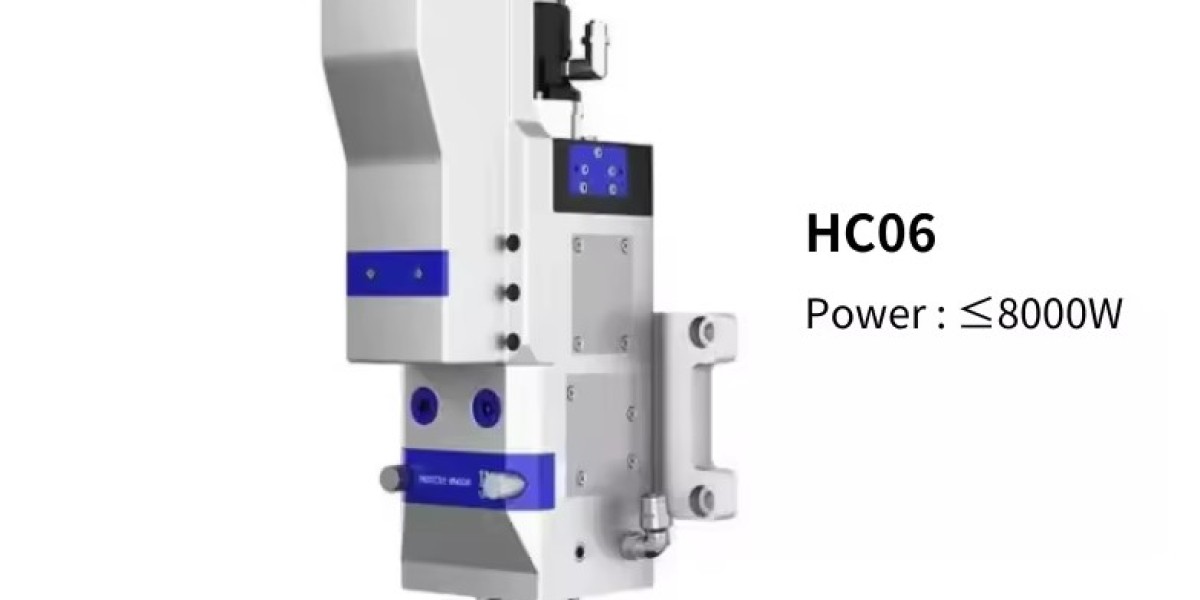

In the rapidly evolving landscape of modern manufacturing, precision and efficiency are paramount. One of the key innovations driving this change is the laser welding head, a technology that has transformed traditional welding processes. This article delves into the pivotal role of laser welding heads, exploring their advantages, applications, and the future of manufacturing.
Understanding Laser Welding Heads
Laser welding heads are advanced devices that utilize concentrated laser beams to join materials, primarily metals. Unlike conventional welding methods, which often involve heat and filler materials, laser welding heads offer a more precise and cleaner approach. This technology allows manufacturers to achieve high-quality welds with minimal distortion, making it ideal for intricate designs and thin materials.
Advantages of Laser Welding Heads
The advantages of laser welding heads are numerous. Firstly, they provide exceptional precision, enabling manufacturers to create complex geometries that would be challenging with traditional welding techniques. The focused laser beam can be adjusted for various thicknesses and materials, ensuring optimal results. Additionally, laser welding heads contribute to reduced heat input, which minimizes the risk of warping and structural compromise. This characteristic is particularly beneficial in industries where material integrity is crucial, such as aerospace and automotive manufacturing.
Another significant advantage is the speed of the welding process. Laser welding heads can operate at high speeds, significantly reducing production times. This efficiency not only boosts productivity but also lowers operational costs, making it an attractive option for manufacturers looking to enhance their competitiveness.
Applications Across Industries
Laser welding heads have found applications across a myriad of industries. In the automotive sector, they are used for joining components with high precision, ensuring safety and durability. The electronics industry also benefits from this technology, as it allows for the welding of delicate parts without damaging sensitive components. Furthermore, in the medical field, laser welding heads are employed to create sterile and reliable devices, showcasing their versatility and adaptability.
Future Trends in Laser Welding Technology
As technology continues to advance, the future of laser welding heads looks promising. Innovations such as automation and integration with robotics are expected to further enhance their capabilities. Manufacturers are increasingly adopting smart technologies that allow for real-time monitoring and adjustments during the welding process. This not only improves quality control but also enables predictive maintenance, reducing downtime and enhancing productivity.
Moreover, the development of new laser sources, such as fiber lasers, is set to revolutionize the industry. These lasers offer higher efficiency and lower operating costs, making laser welding heads an even more attractive option for manufacturers worldwide.
In conclusion, laser welding heads play a crucial role in modern manufacturing by providing precision, speed, and versatility. Their ability to produce high-quality welds with minimal distortion makes them indispensable across various industries. As technology continues to evolve, the potential for laser welding heads is boundless, promising to shape the future of manufacturing for years to come. Manufacturers looking to stay ahead must consider integrating laser welding technology into their processes to enhance efficiency and product quality.